How We Maintain Consistency Over Recurring SKUs and Regular E-commerce Shoots
25 March 2026
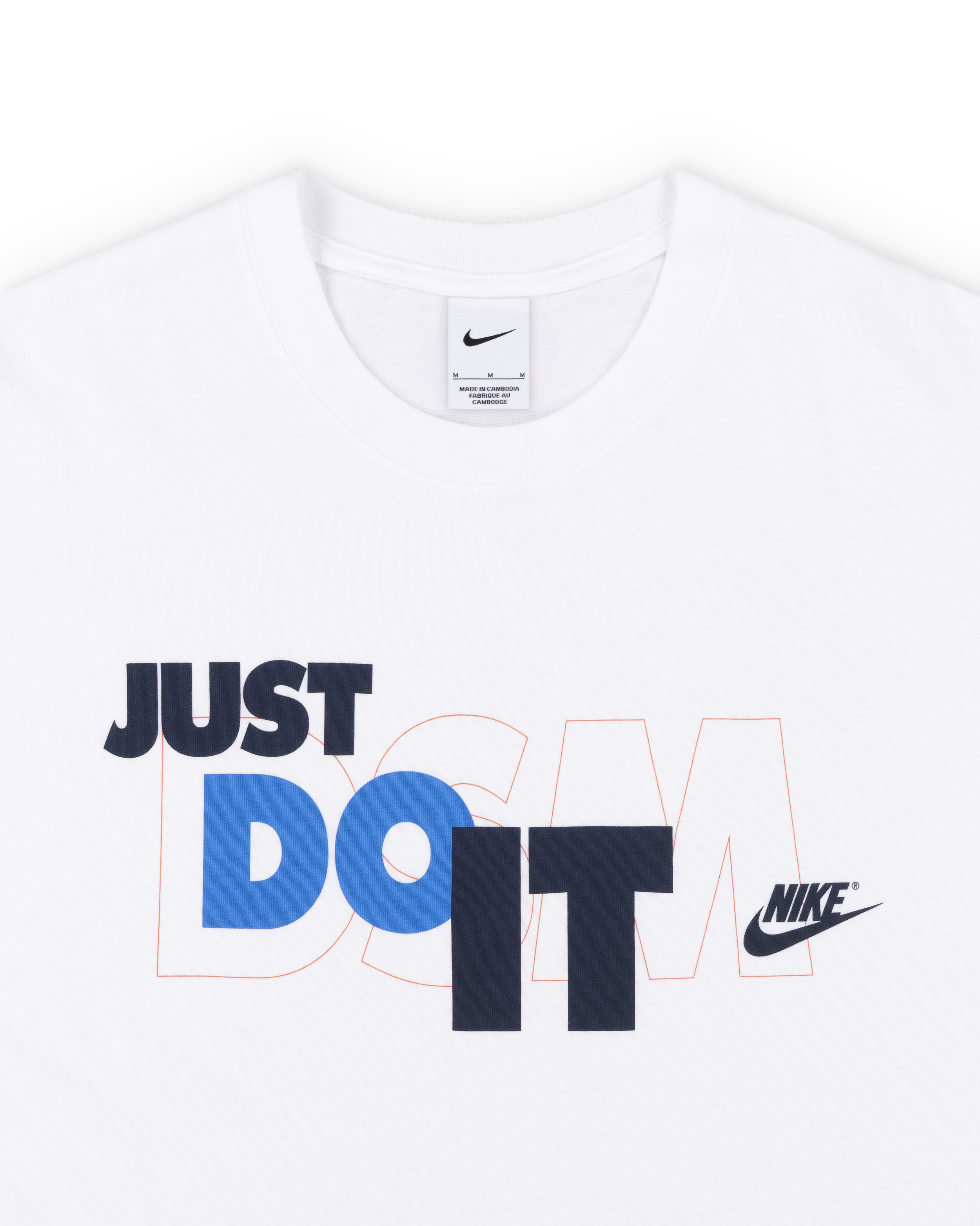
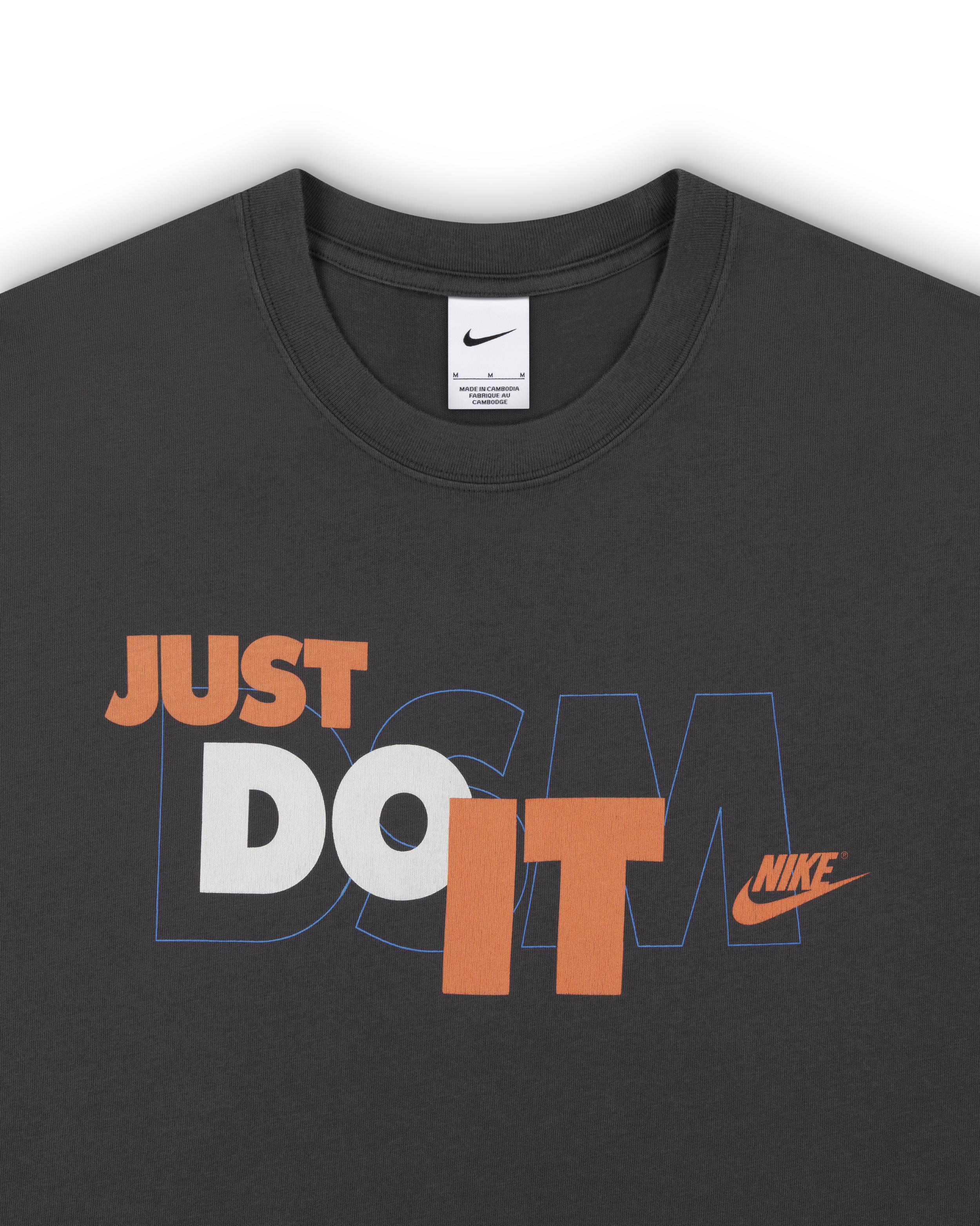
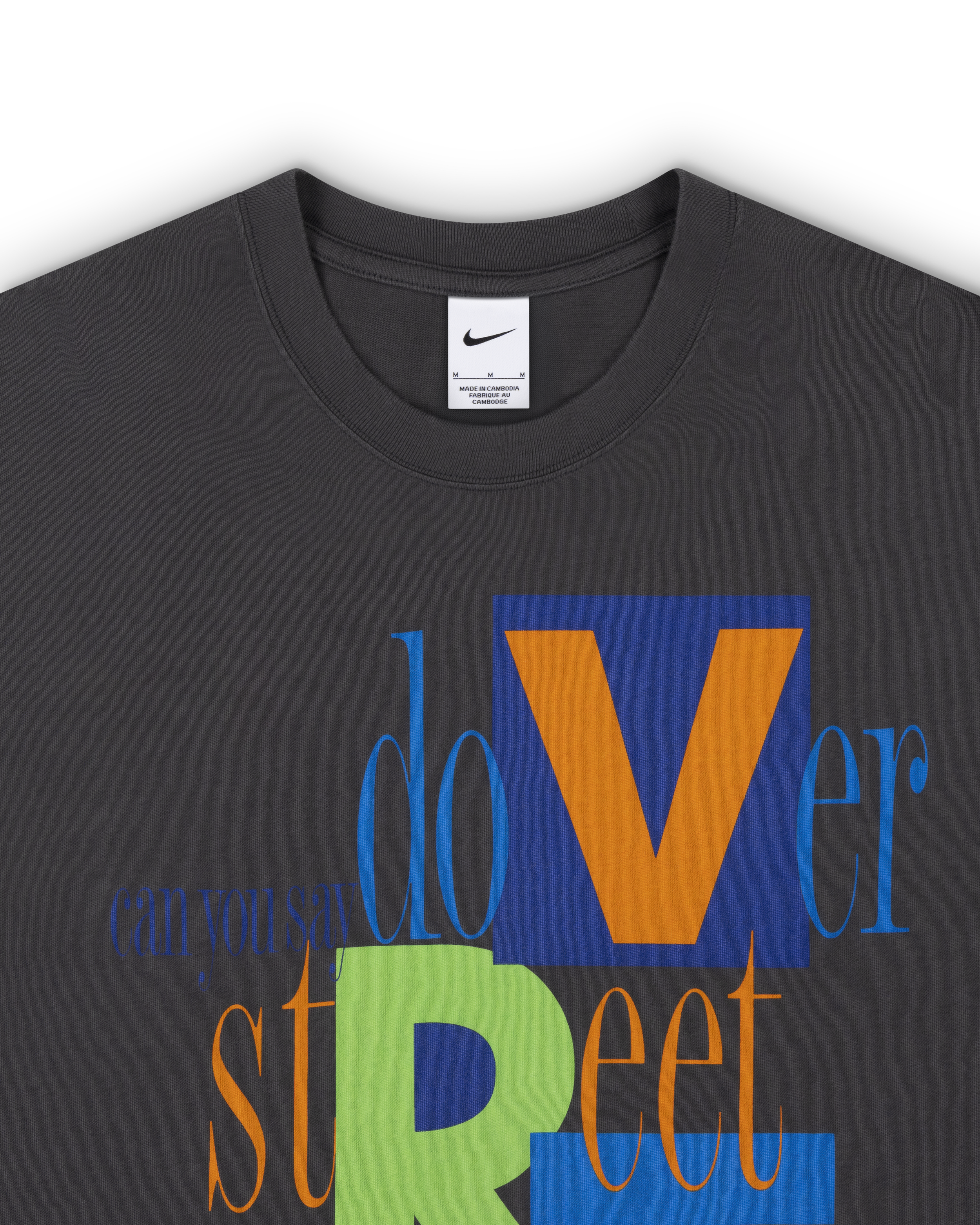
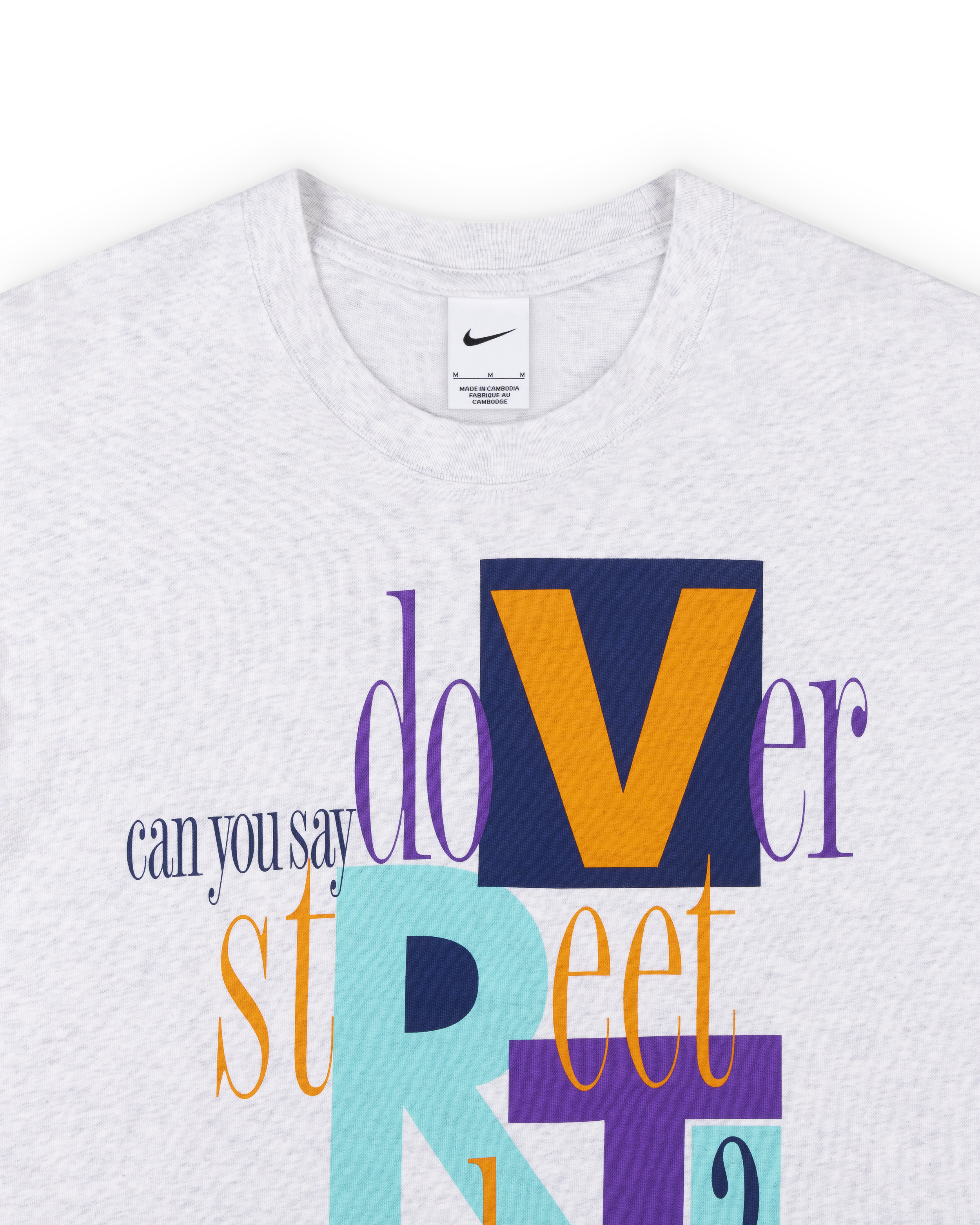
Tshirt product photography (details) Dover Street Market © 2026 Packshot Bureau
Consistency is one of those things that sounds straightforward until you’re a few months into regular shoots and nothing quite lines up anymore.
Same product, same setup on paper – but the shadows are slightly different, the crop’s a bit off, something just feels… not quite right.
We’ve run into this enough times to know it doesn’t fix itself. You have to be quite deliberate about it.
Over time, we’ve built a few core structures that sit behind our recurring work. These aren’t particularly glamorous, but they’re what actually keep things aligned.
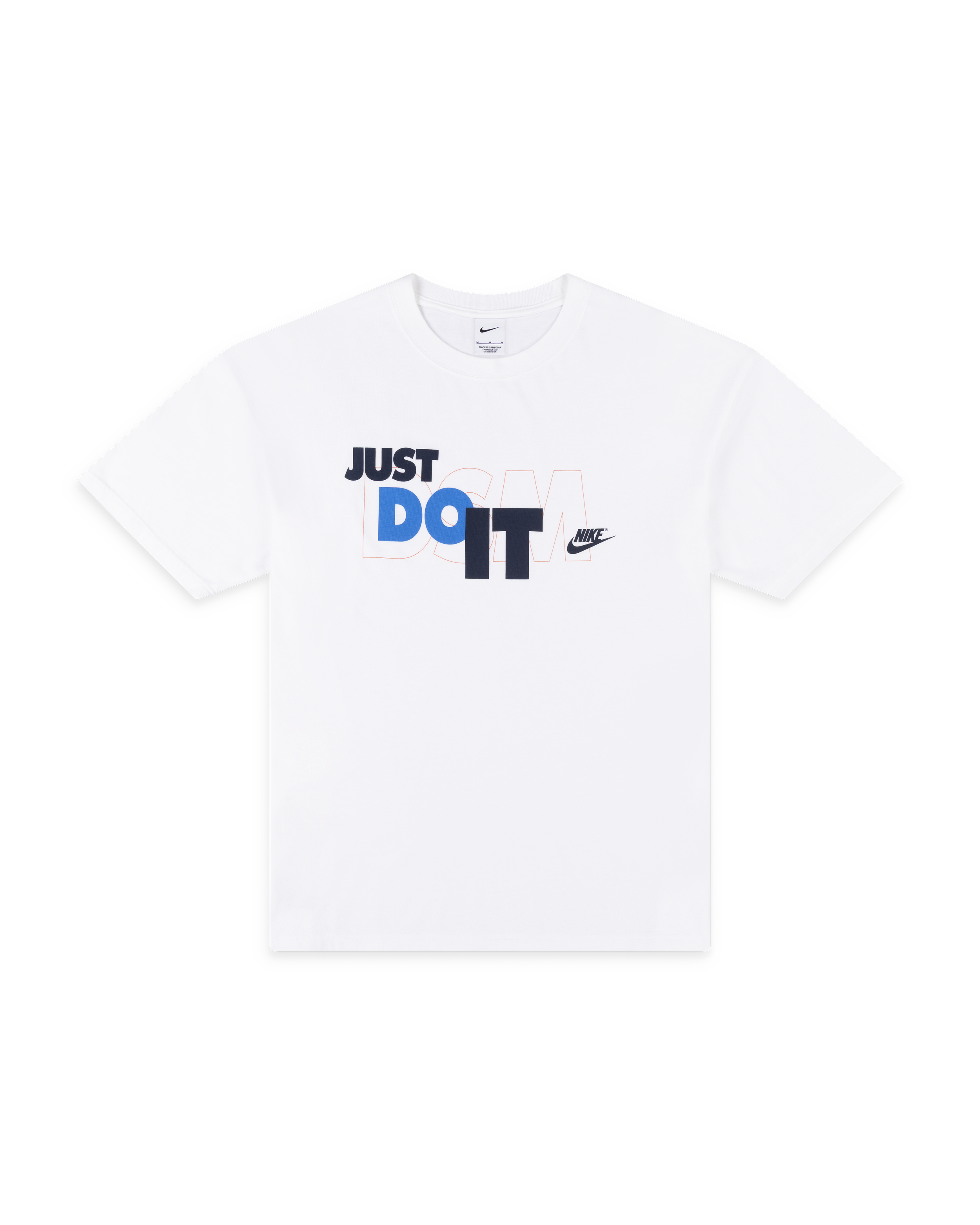
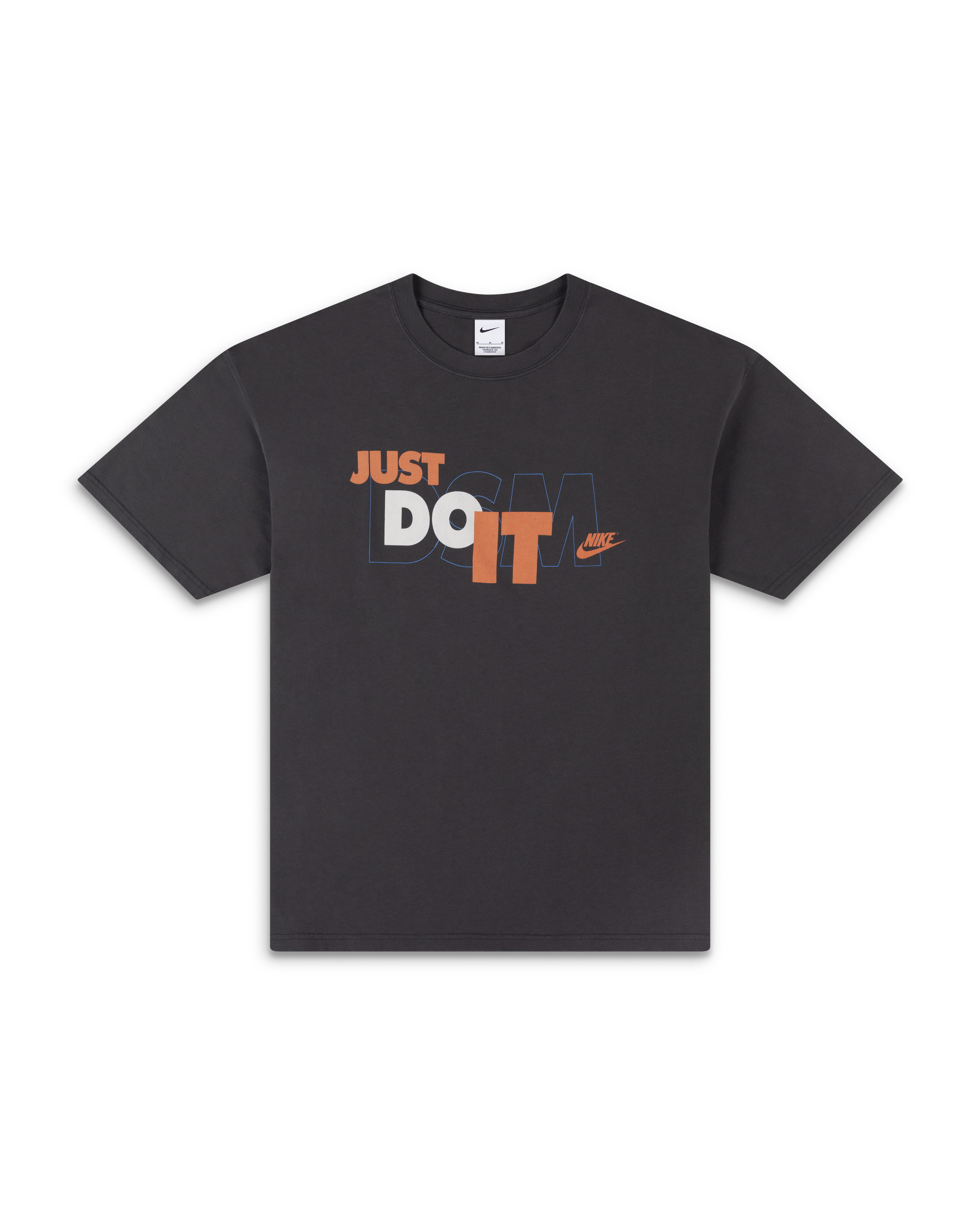
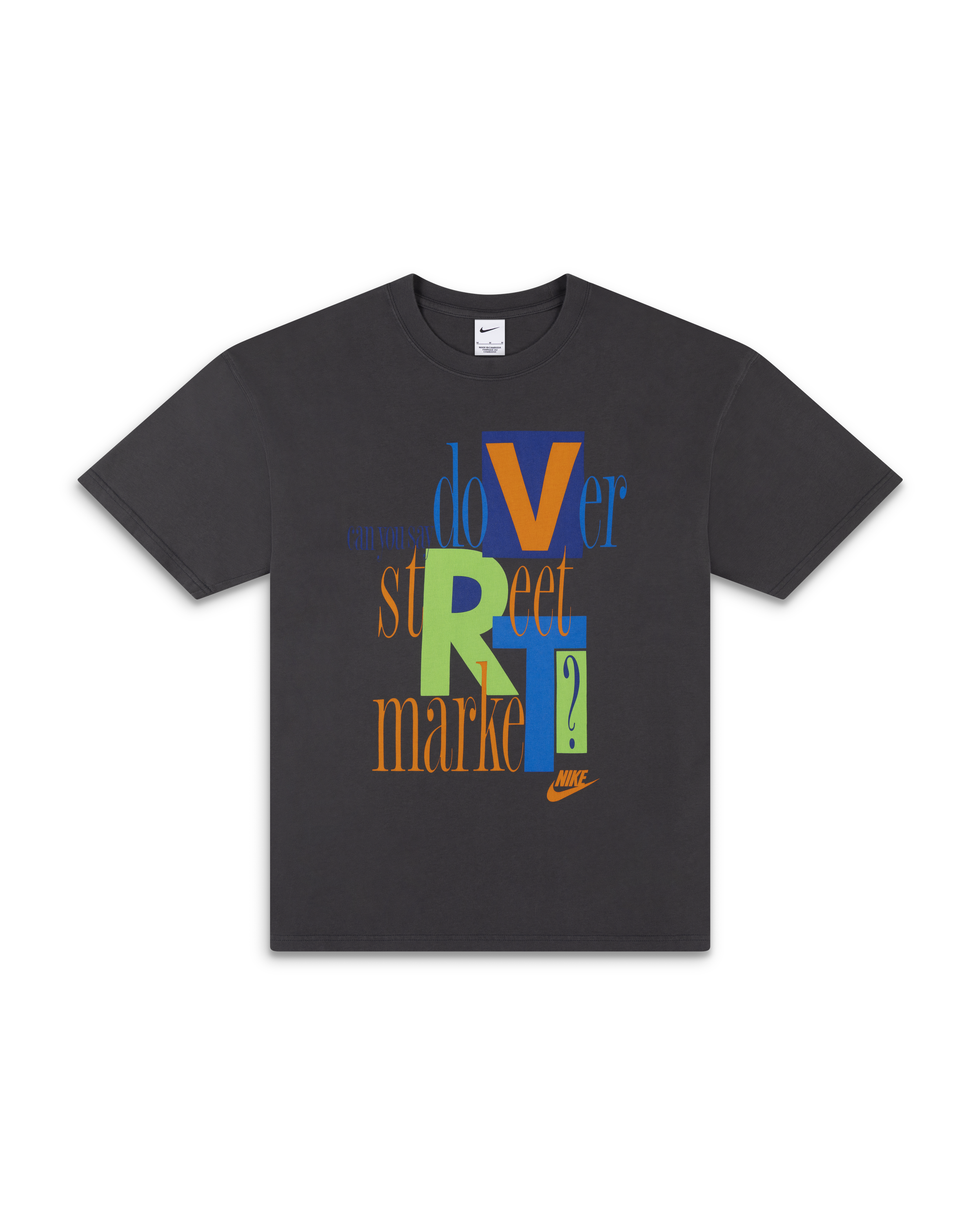
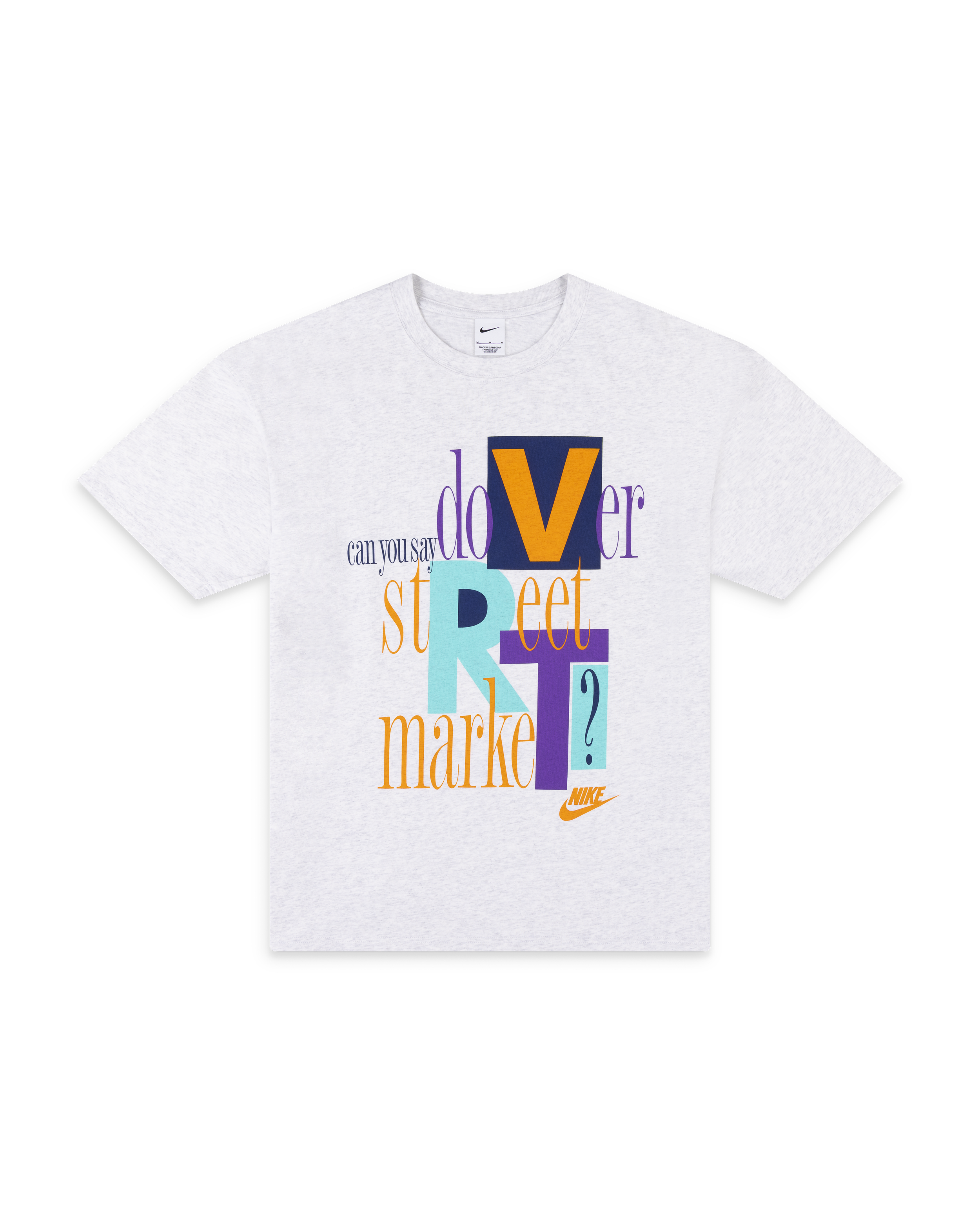
Tshirt product photography for Dover Street Market © 2026 Packshot Bureau
One of the biggest sources of inconsistency is product positioning.
Even when something looks “straight” to the eye, small differences in angle, tilt, or posture show up immediately when images are compared side by side – especially in grid layouts.
For products we shoot regularly, we often create custom moulds or holding fixtures:
Foam, acrylic, or 3D printed supports depending on the product
Designed to hold items in a fixed orientation (angle, elevation, rotation)
Hidden from camera or easily masked in post
This is particularly useful for:
Soft goods (which don’t naturally sit the same way twice)
Items with a “hero angle” that needs to be repeated precisely
Products that tend to shift during handling
Once a mould is made, it effectively removes interpretation from the process.
The product goes in one way, every time.
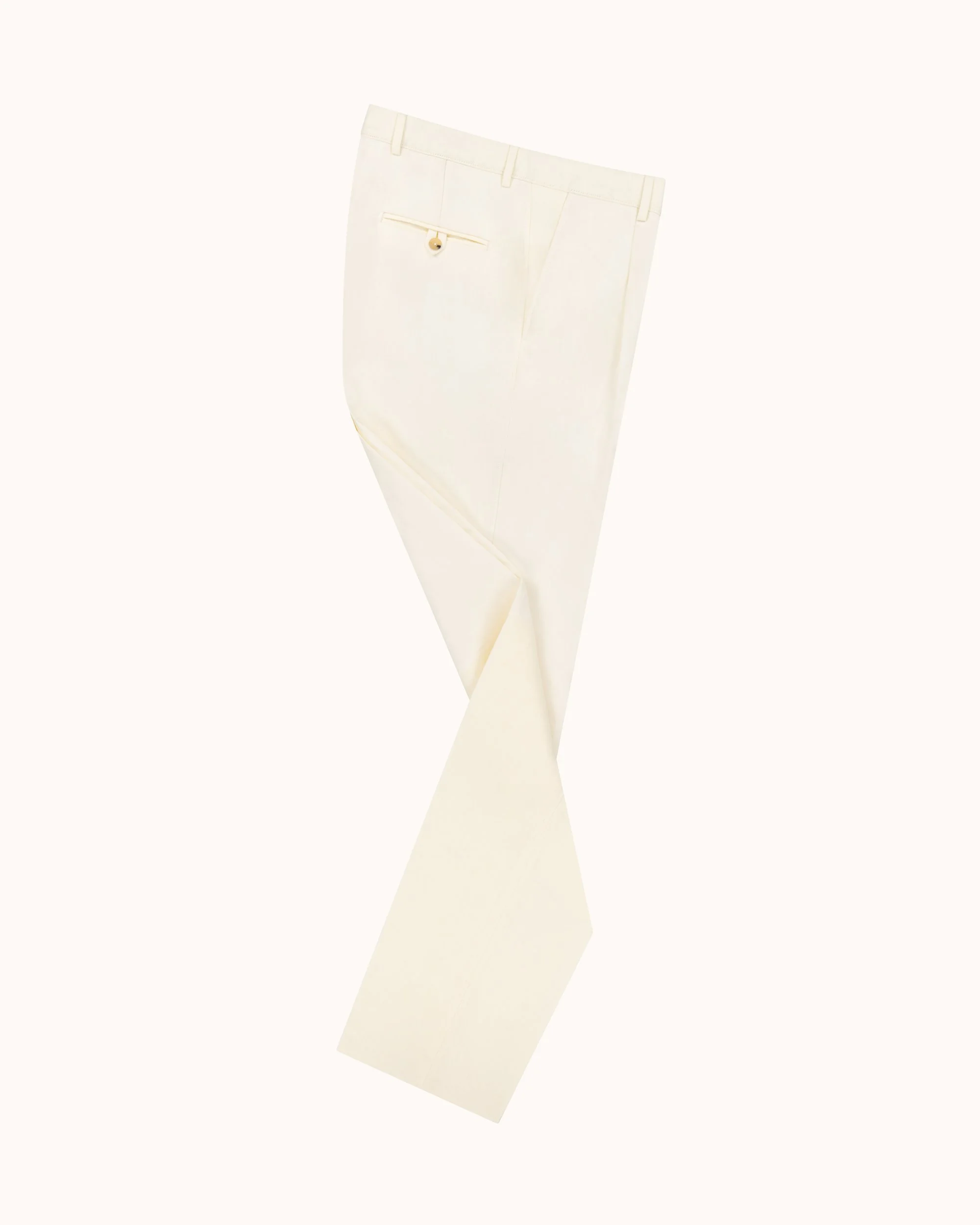
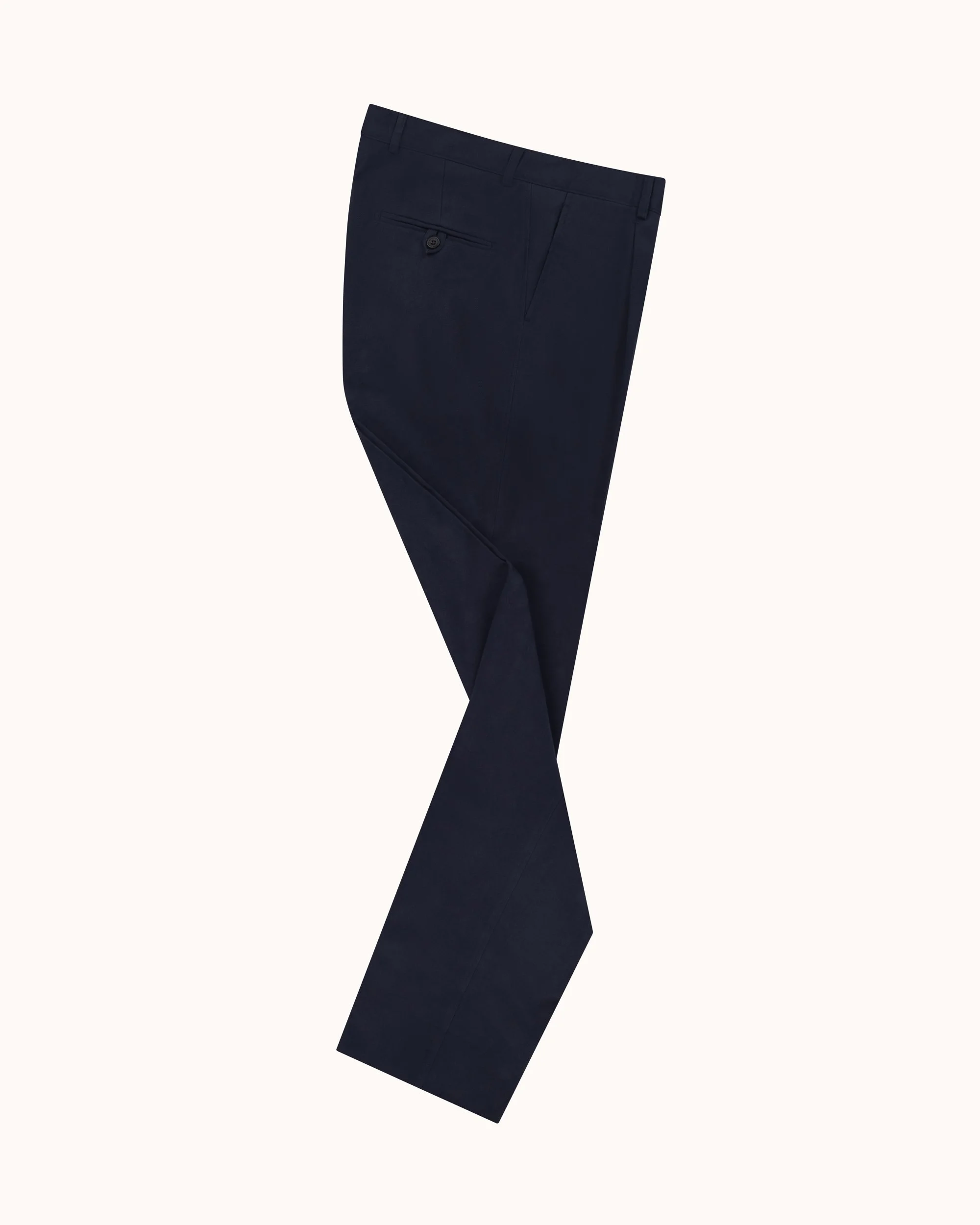
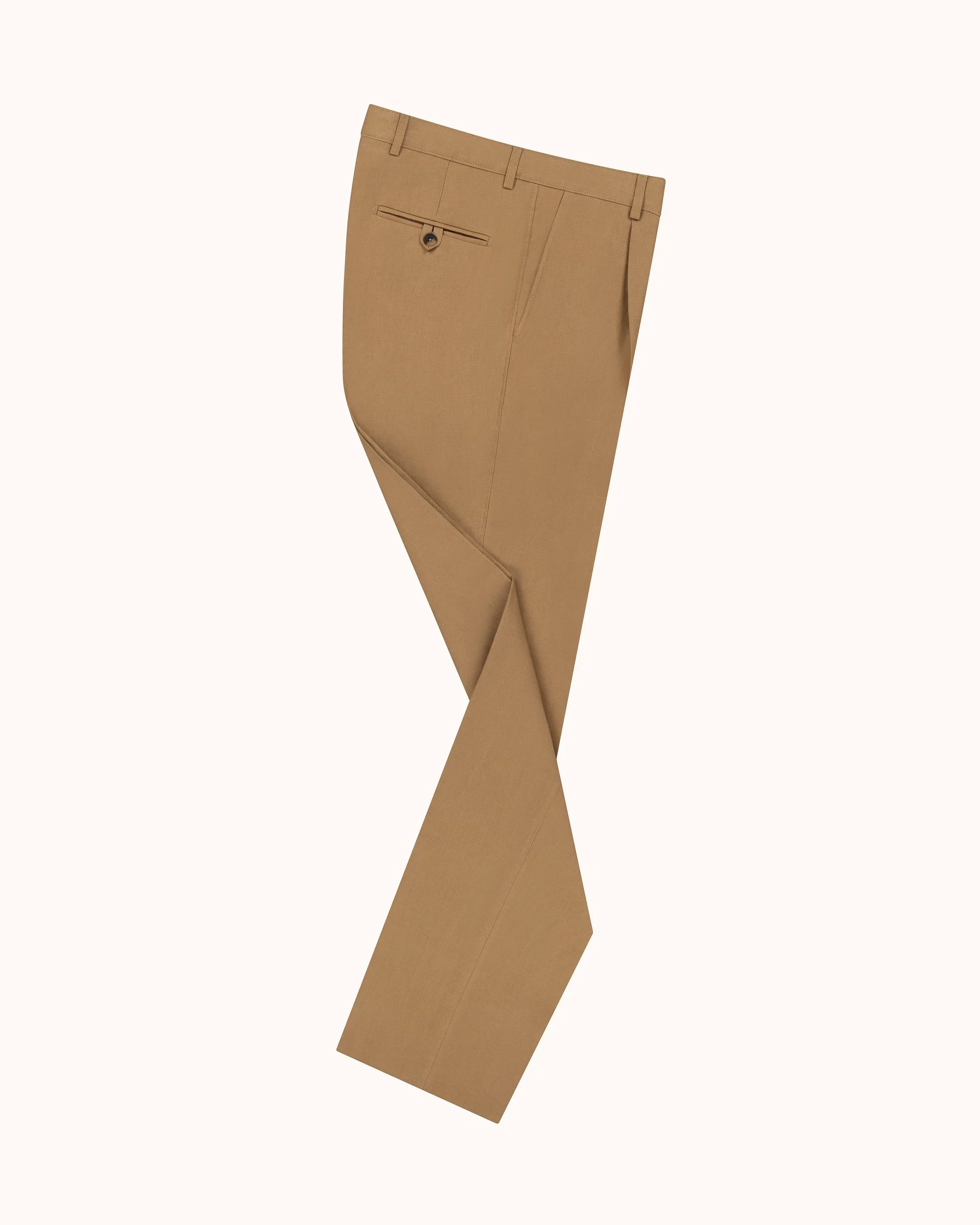
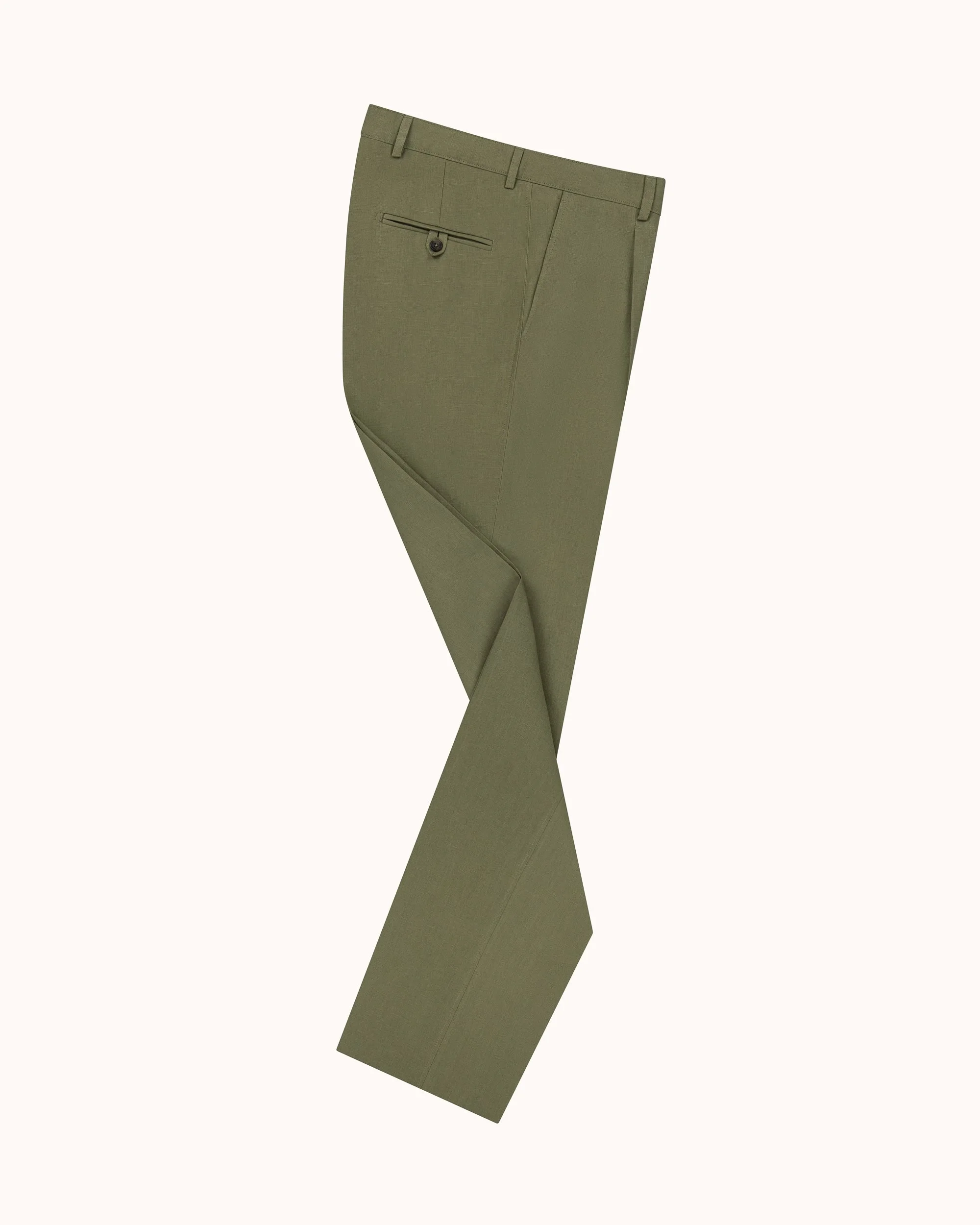
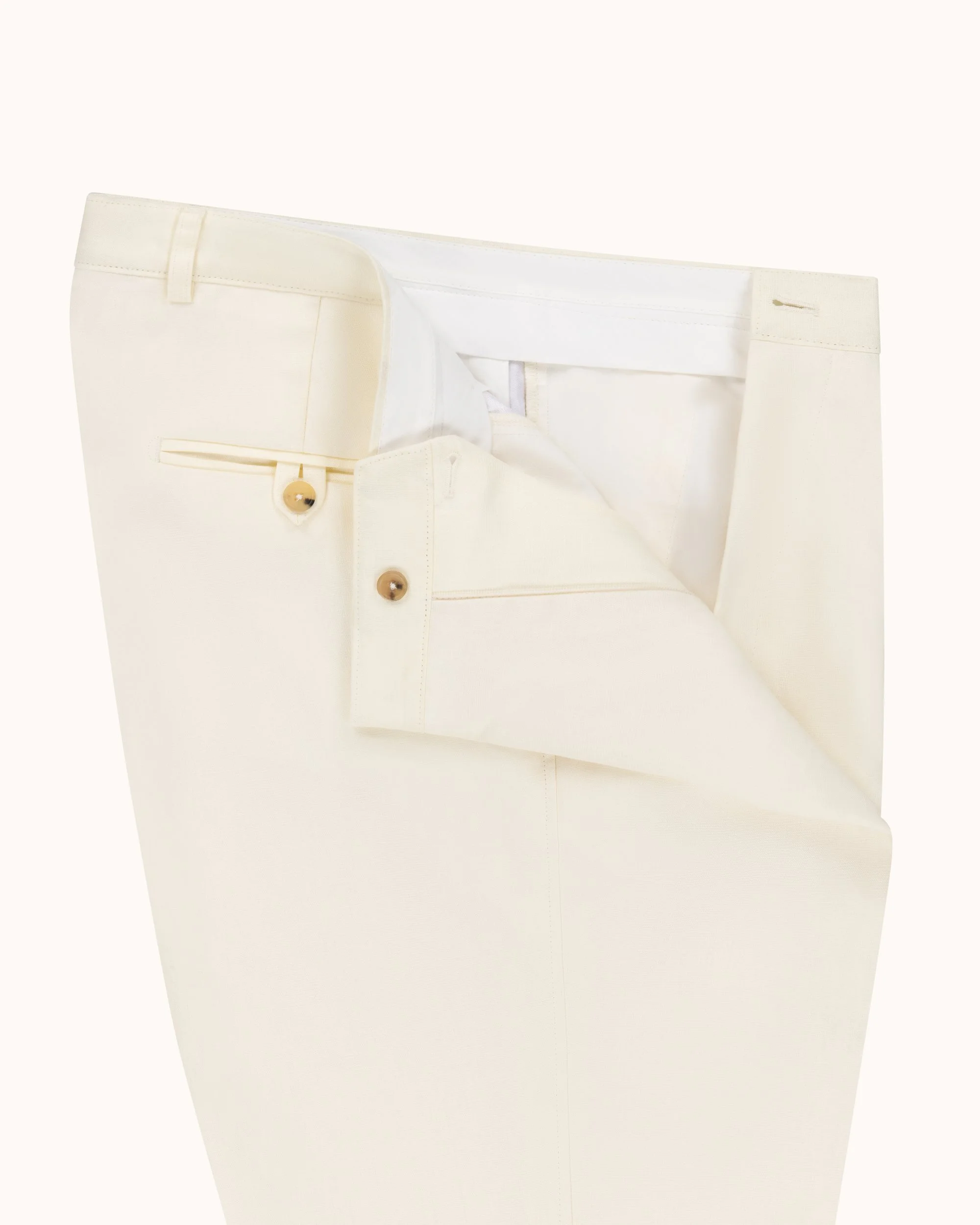
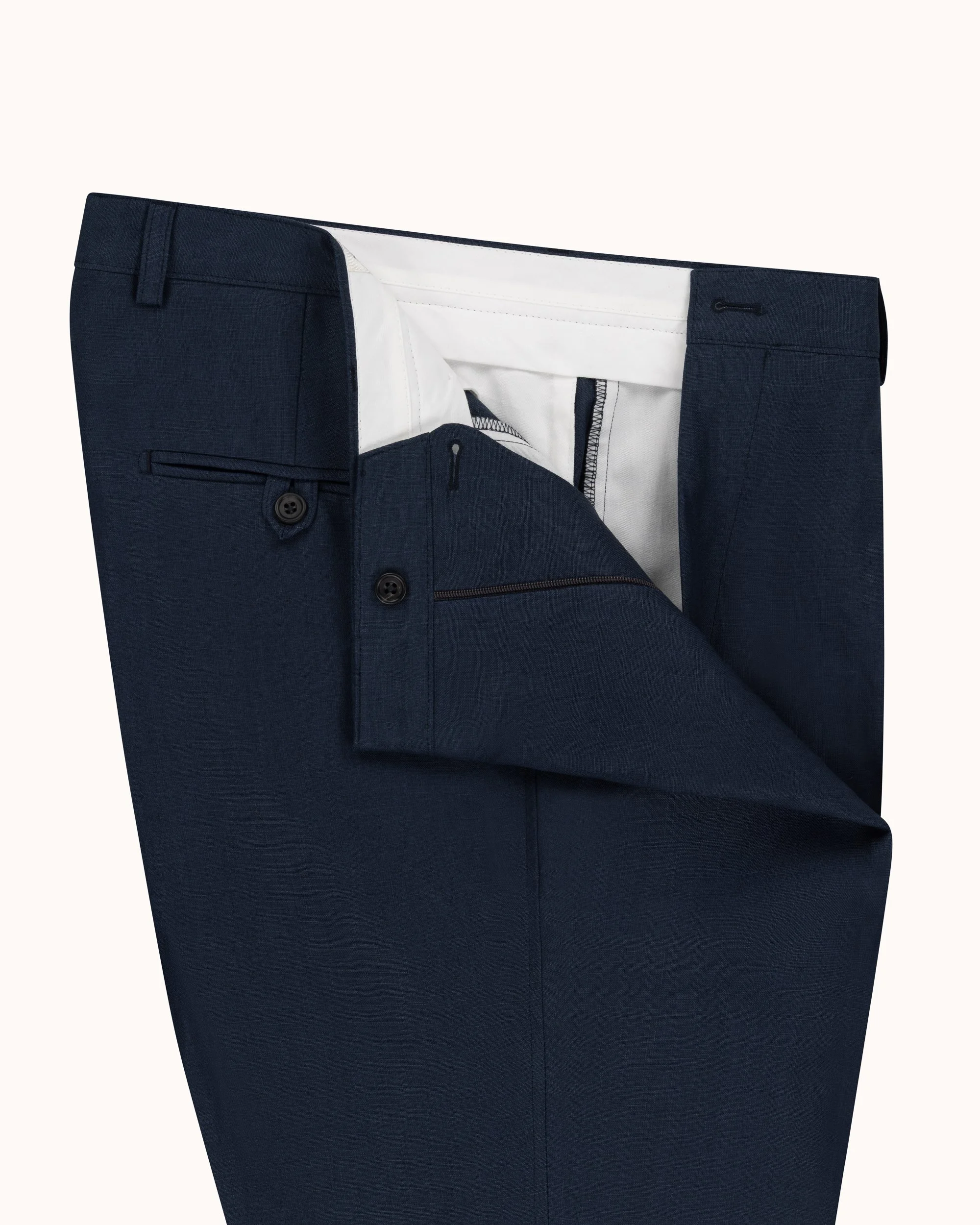
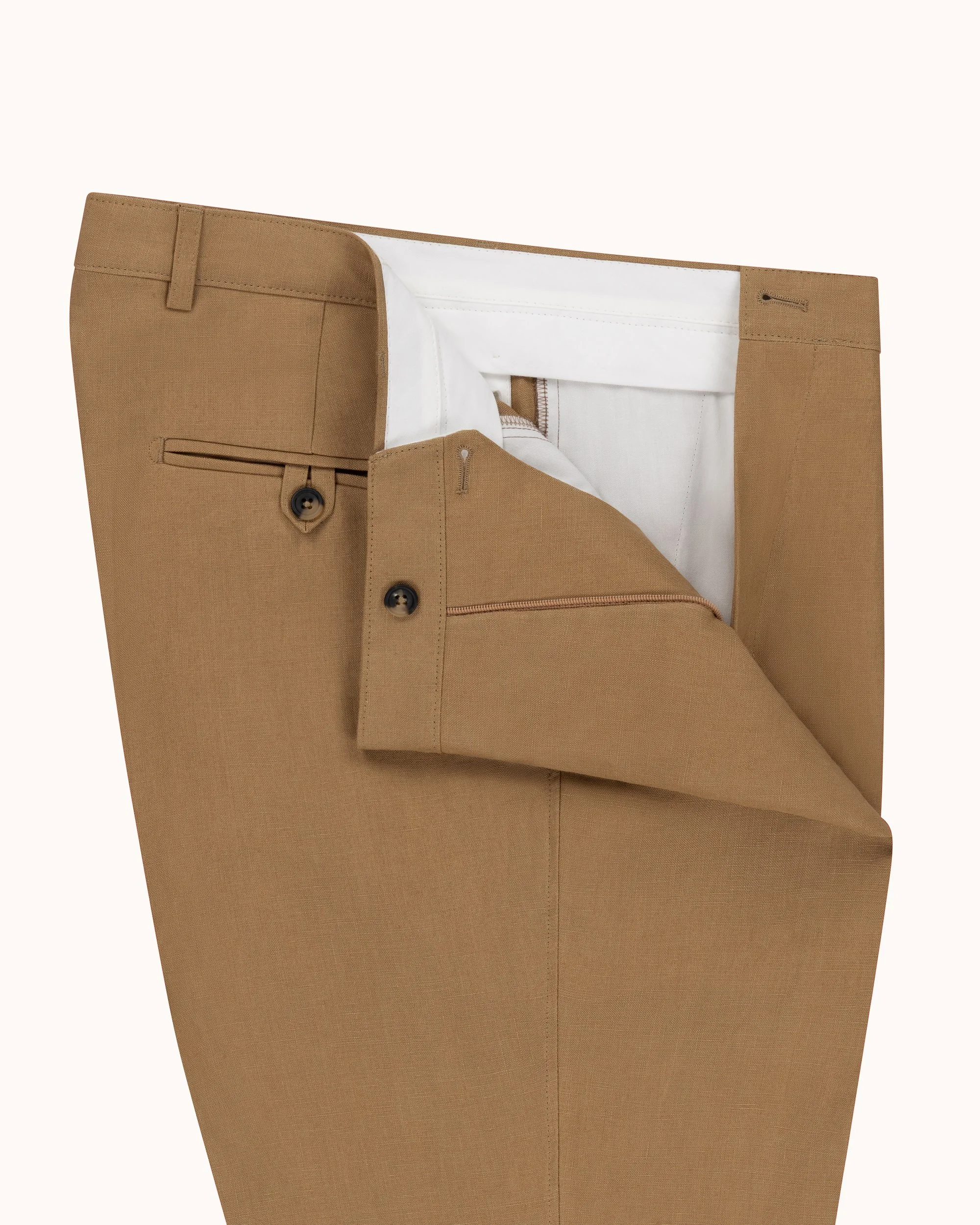
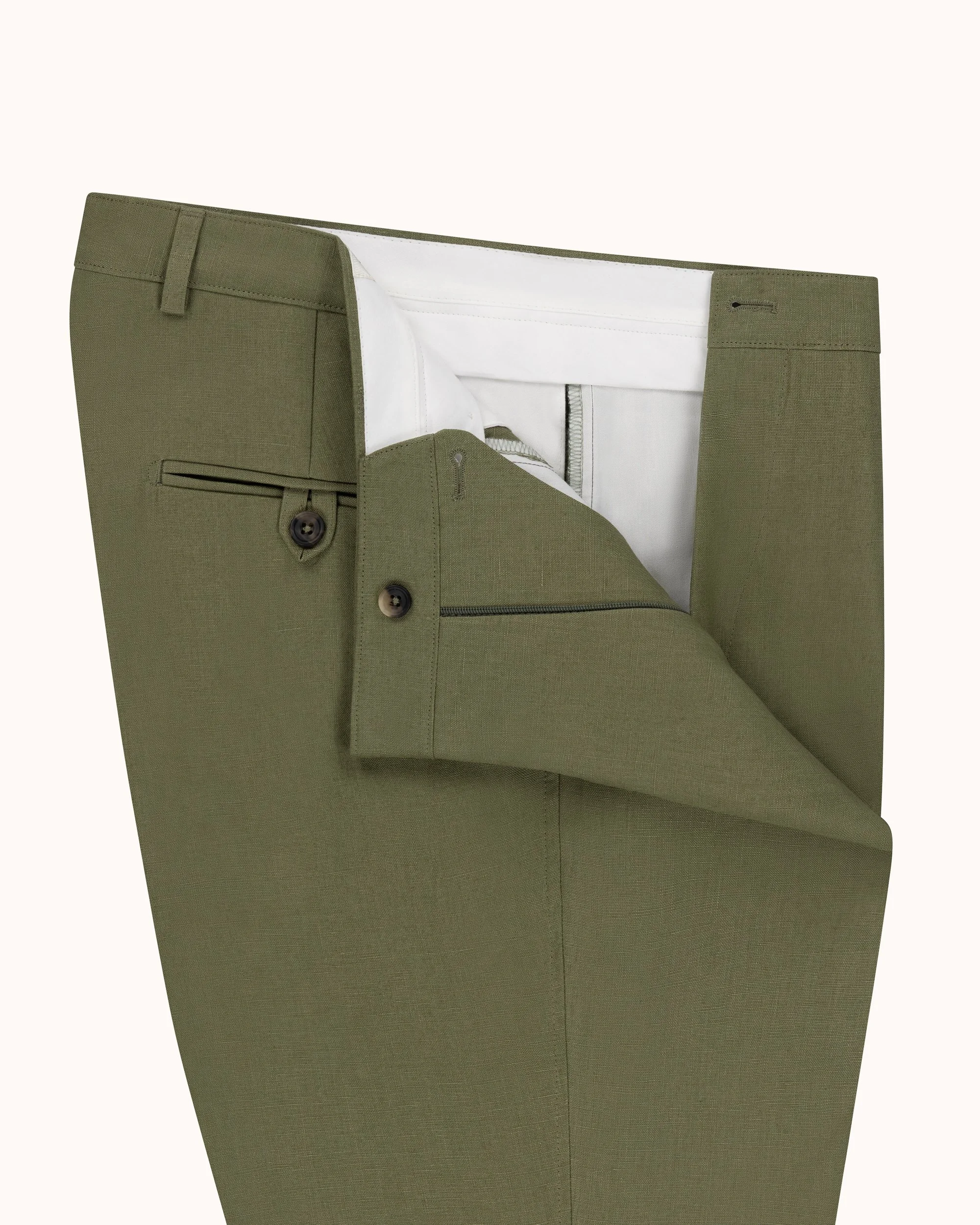
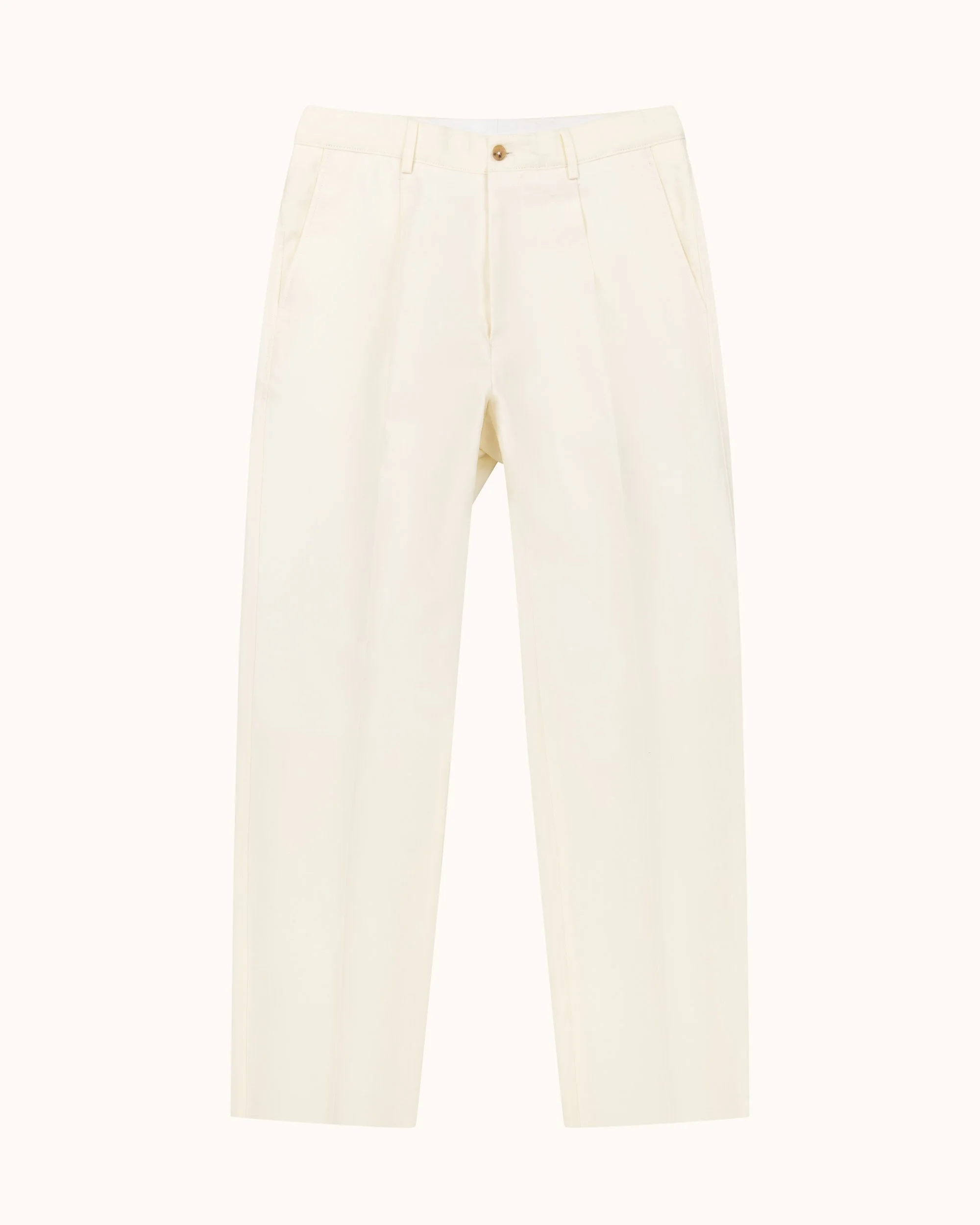
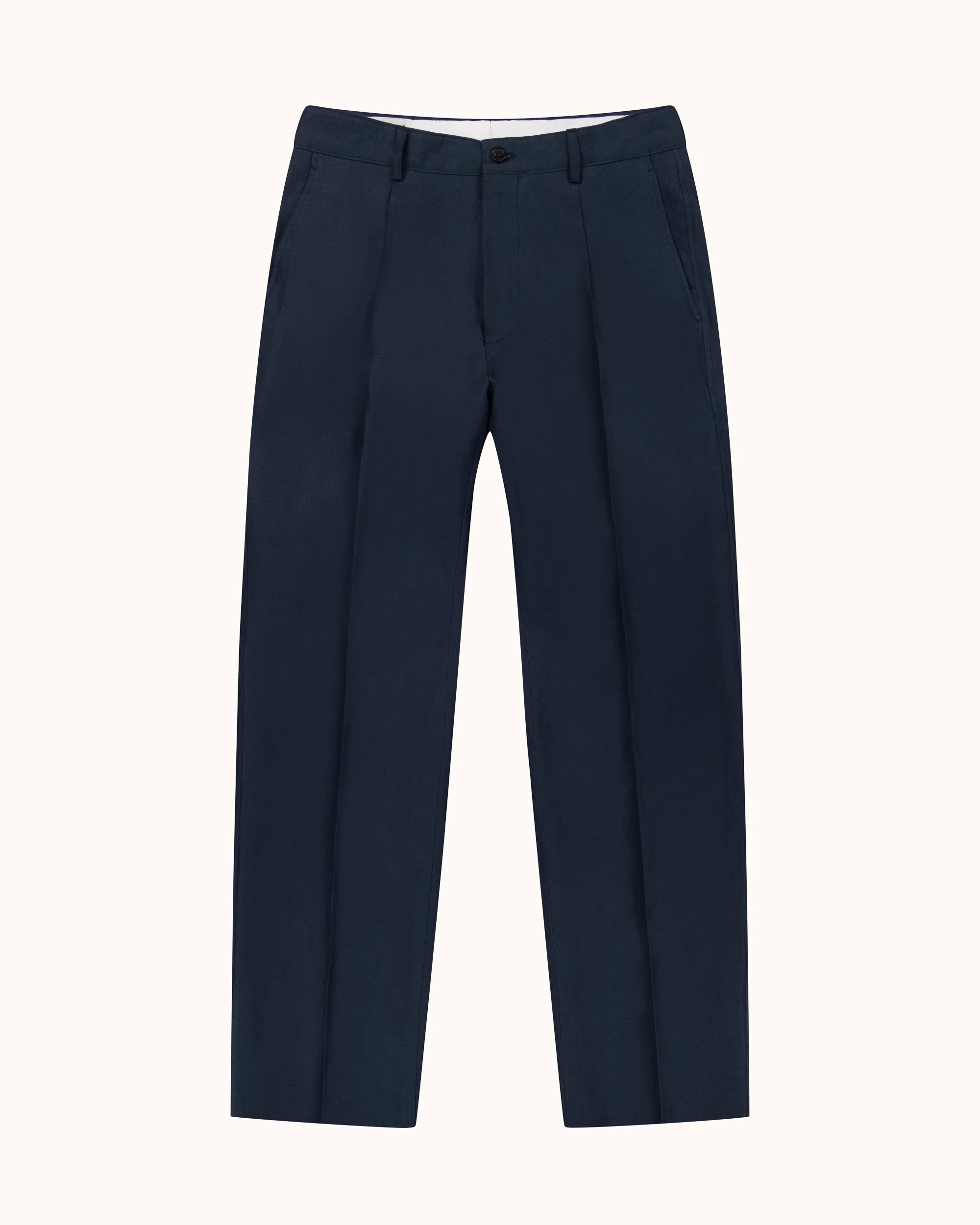
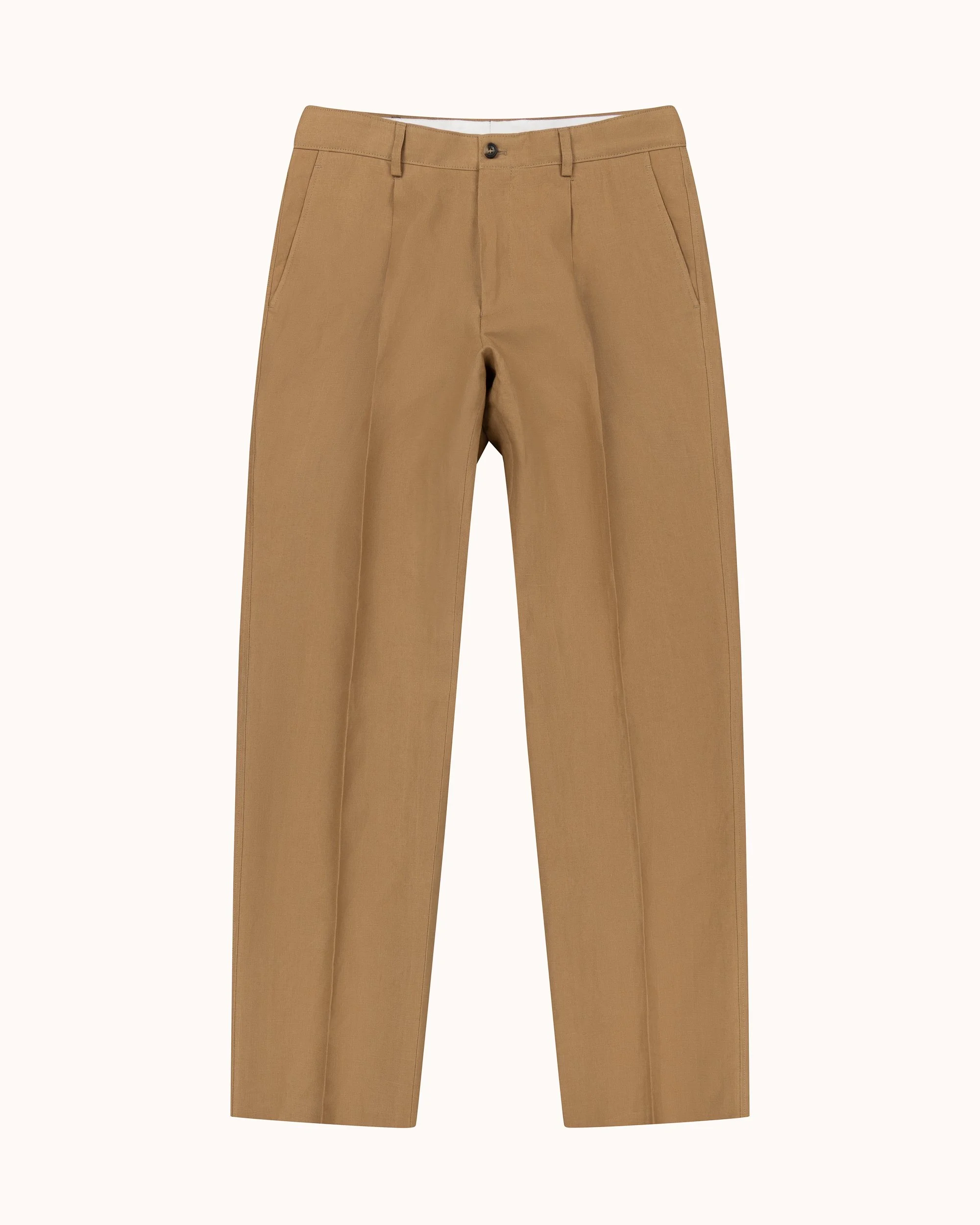
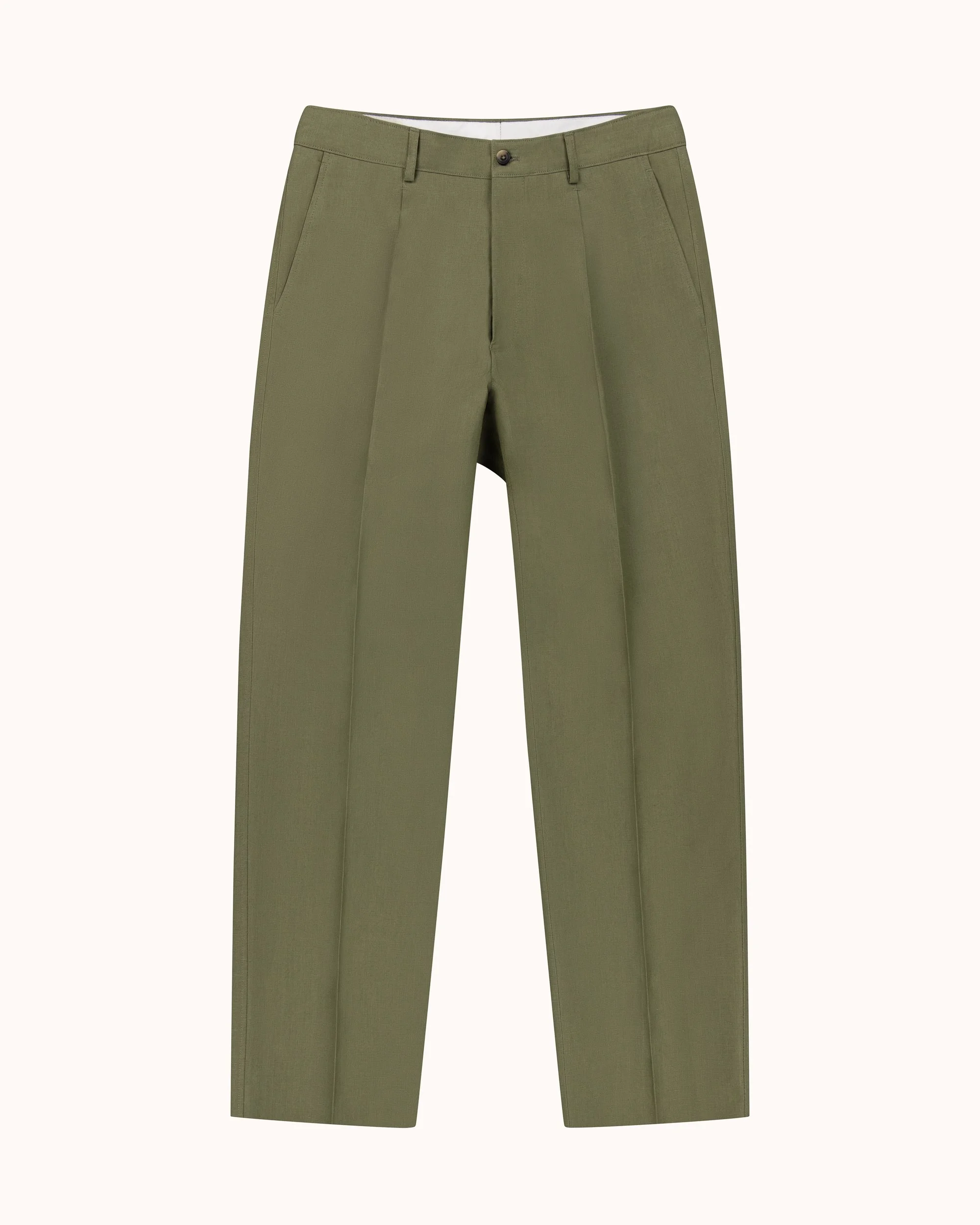
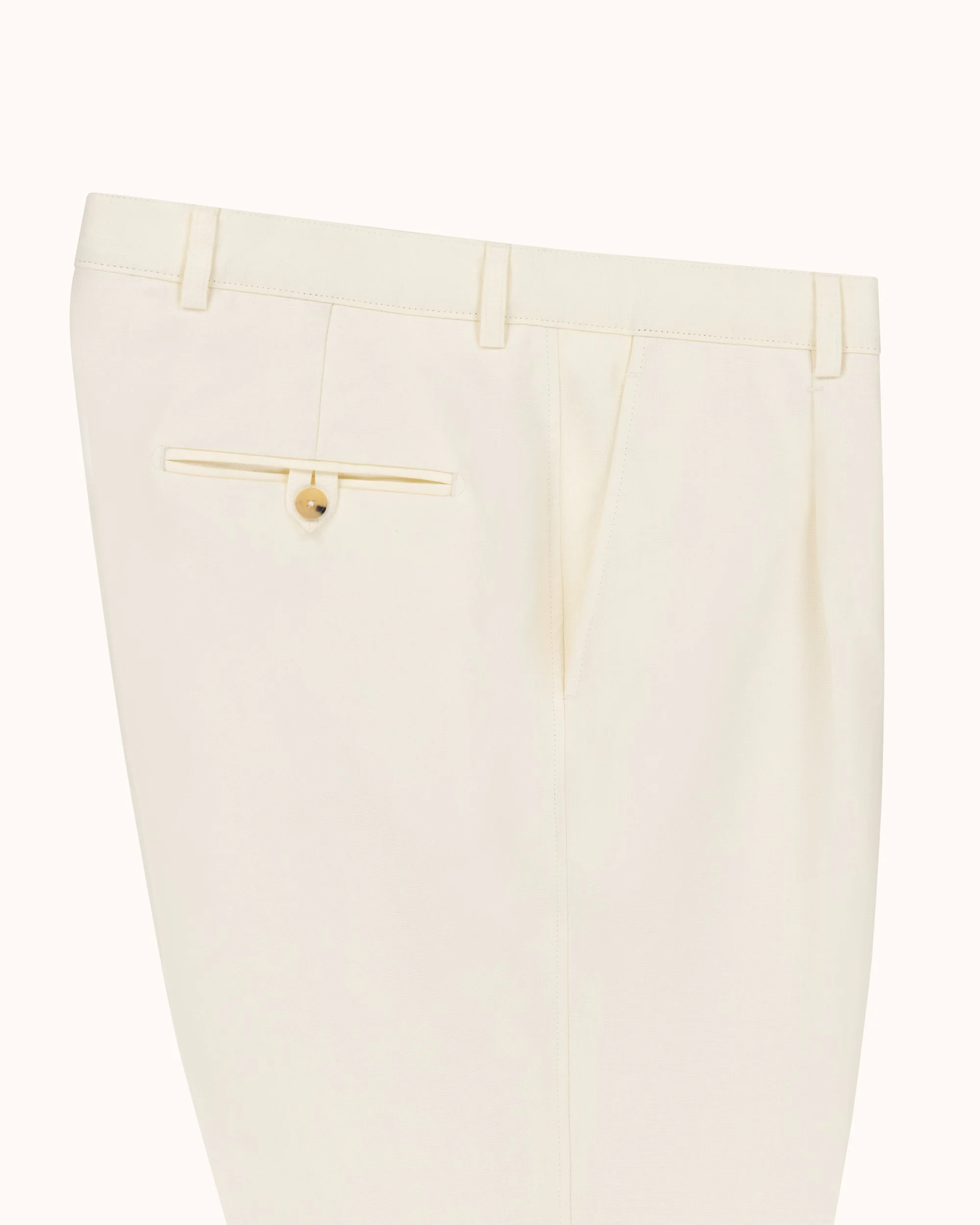
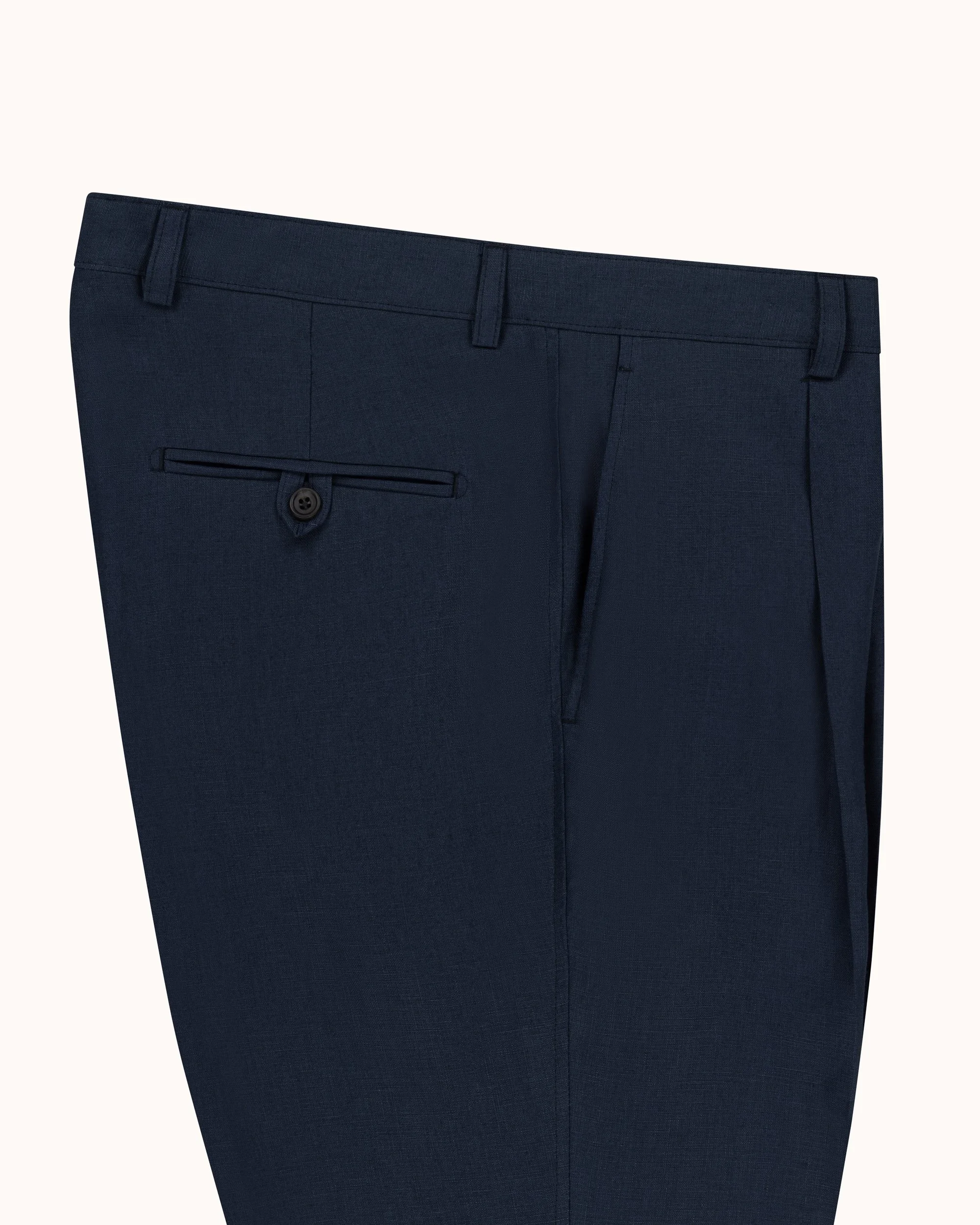
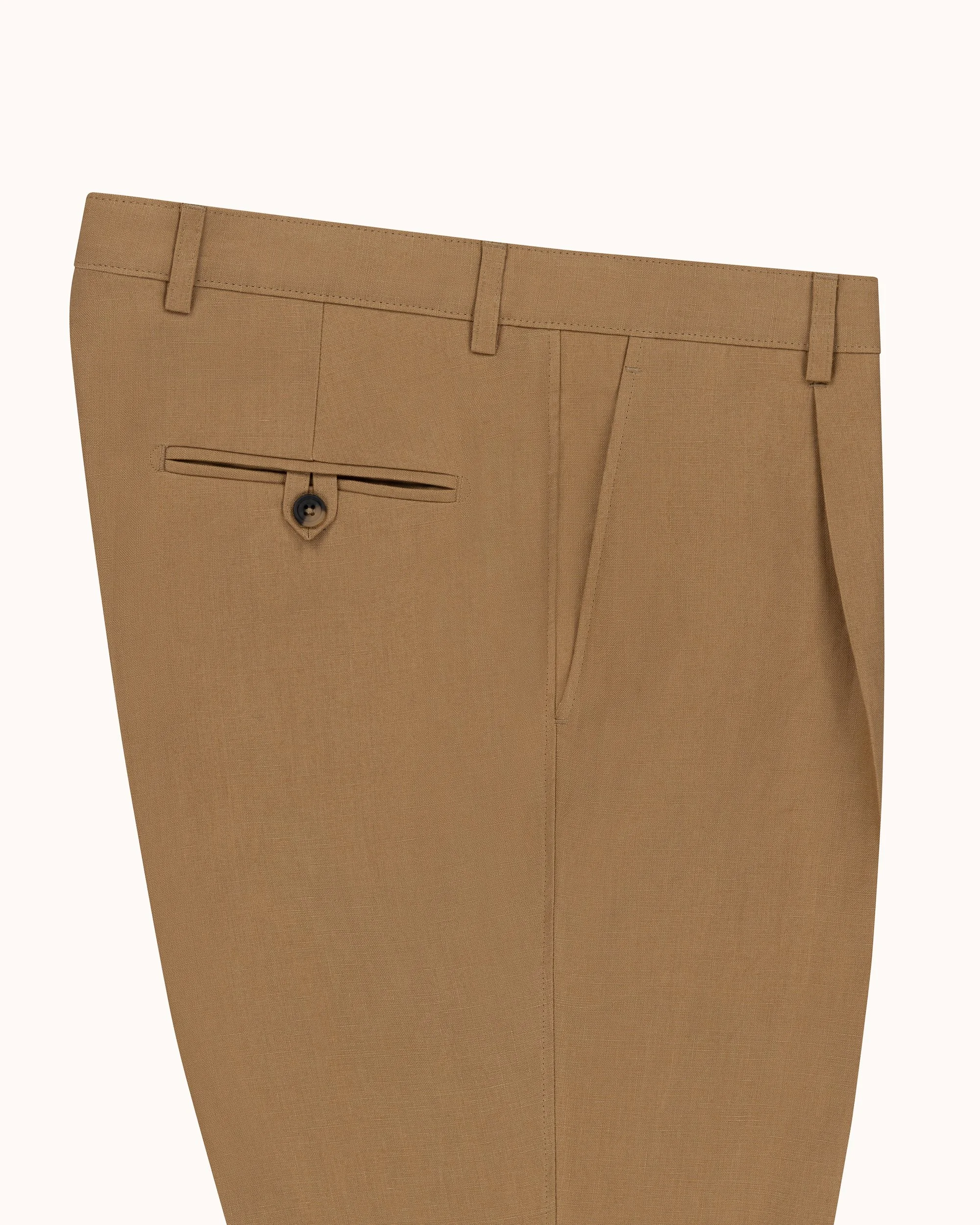
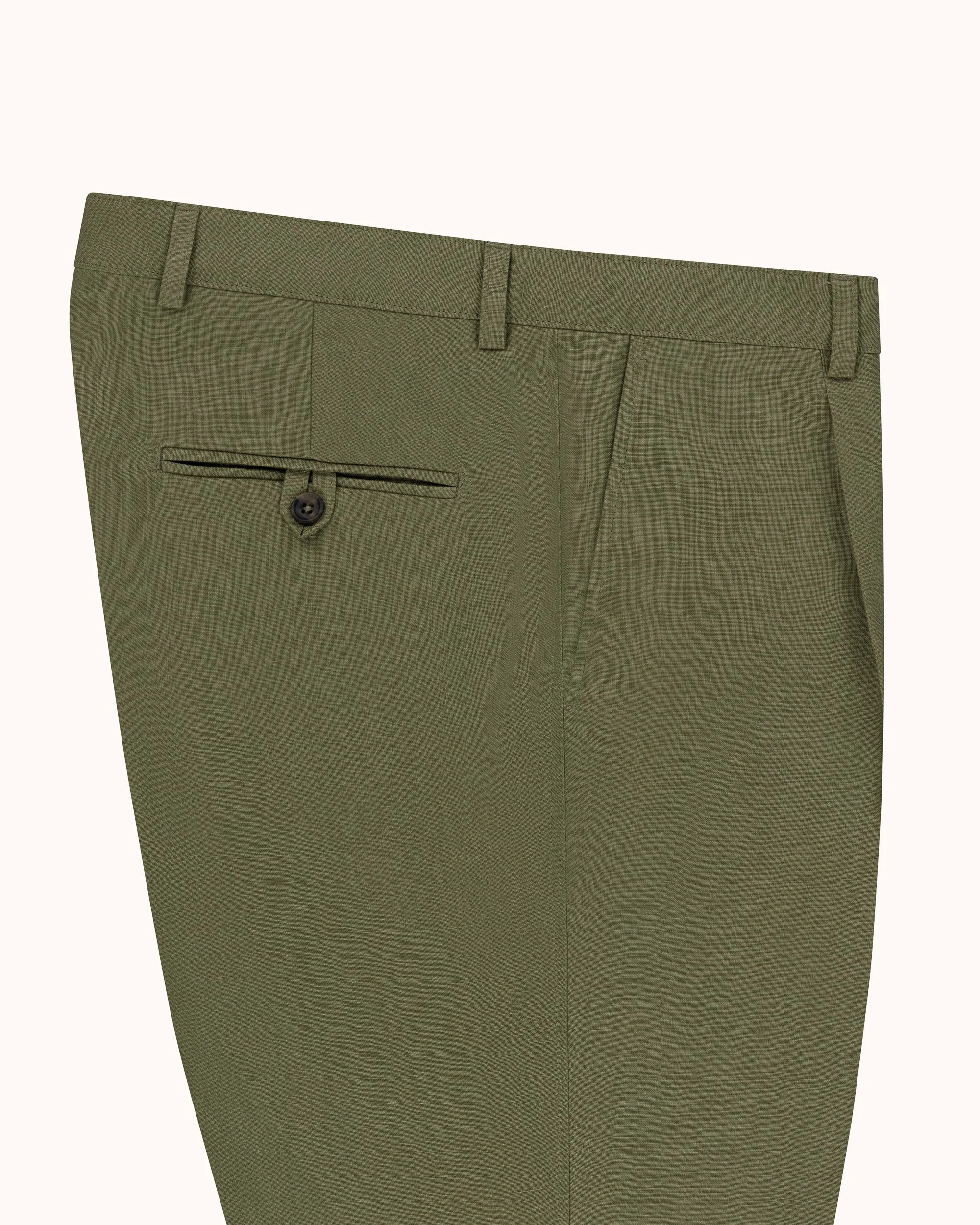
Trousers product photography for Natalino © 2026 Packshot Bureau
For every recurring client, we maintain a technical profile of their shoot setup.
This includes:
Camera body, lens, focal length
Camera height, distance, and angle
Lighting configuration (type, position, distance, modifiers)
Capture settings (where relevant)
These aren’t loose notes – they’re treated as a repeatable configuration.
The goal is that any team member can rebuild the setup and land in roughly the same place before even taking a test shot.
Where needed, we also include:
Diagrammatic layouts
Reference images annotated with key measurements
Notes on known sensitivities (e.g. “slight tilt causes reflection issue on edge”)
This becomes especially important over longer timelines, where the same SKU might be reshot months apart.
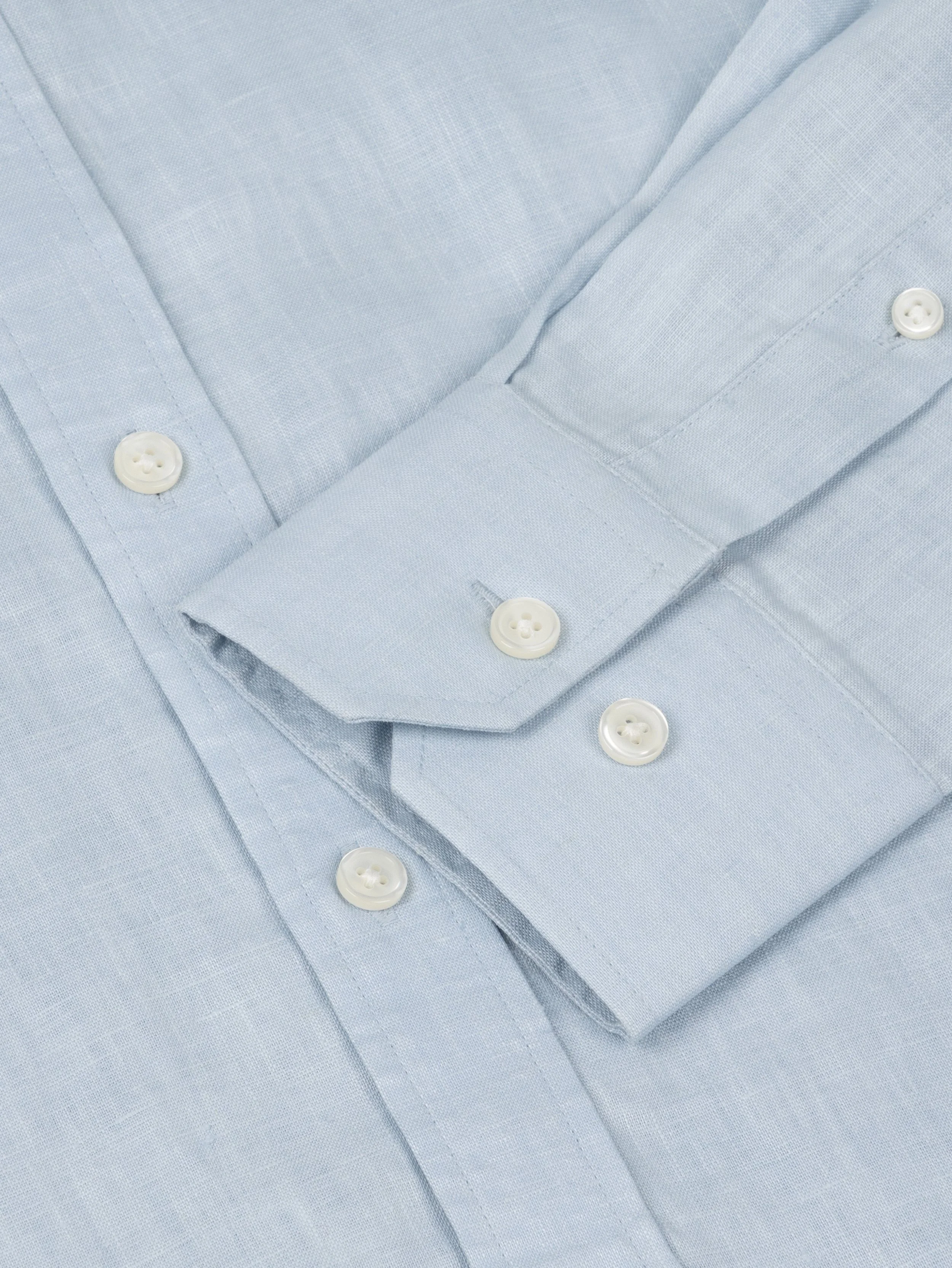
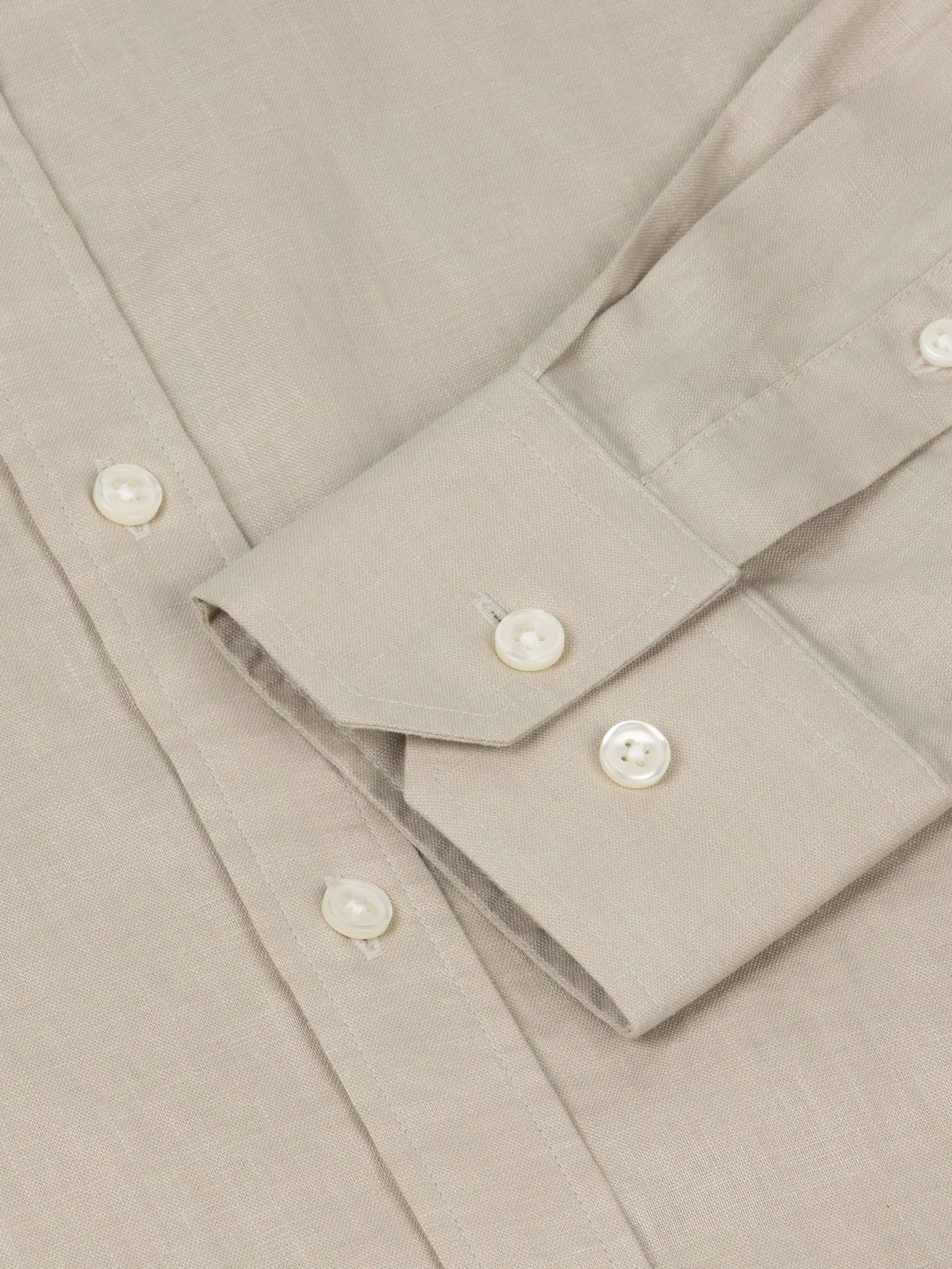
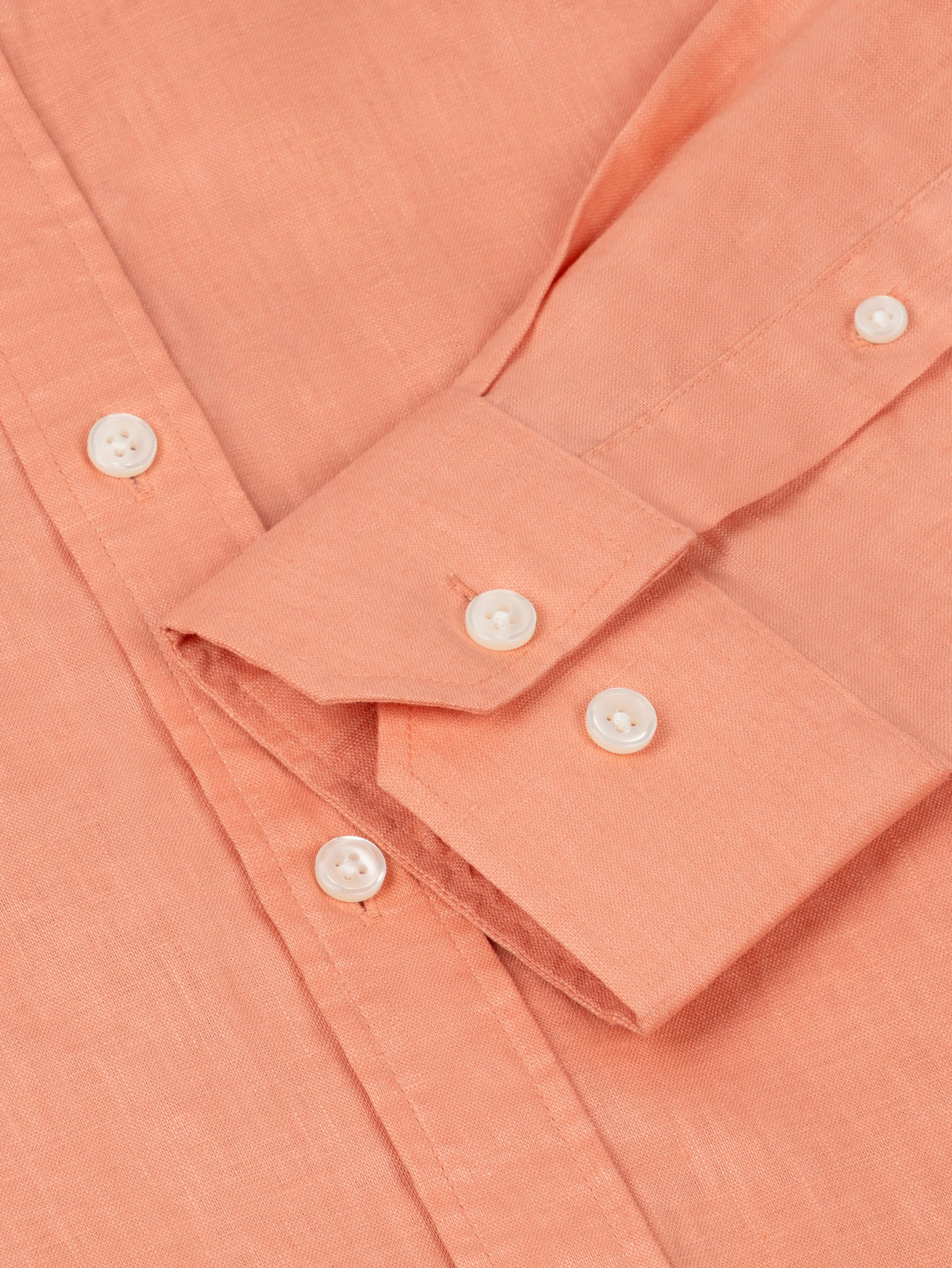
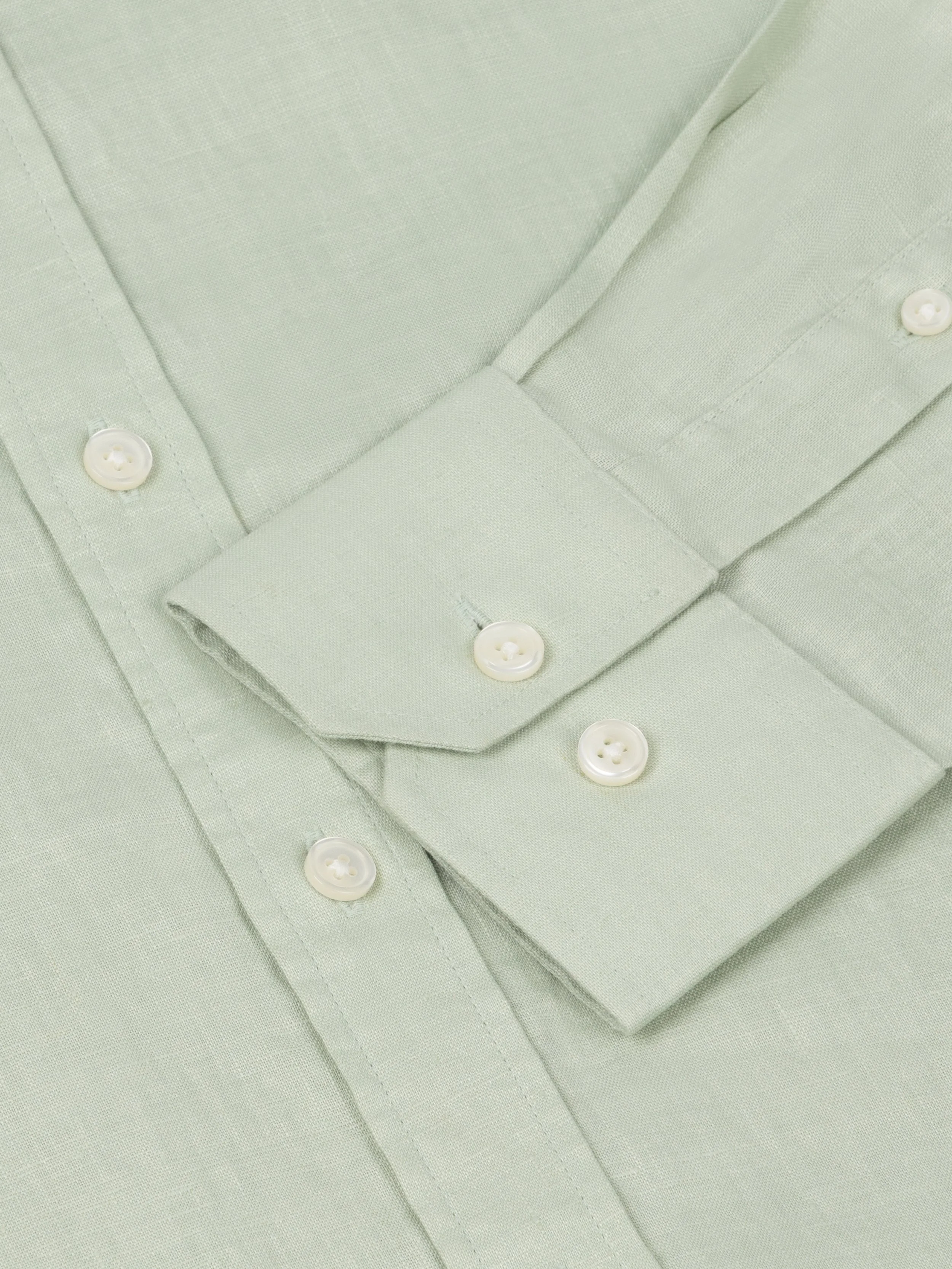
Shirt product photography (details) for TM Lewin © 2026 Packshot Bureau
Post-production is another place where inconsistency creeps in—usually through interpretation.
To control this, we offer to maintain a material bank for recurring clients:
High-quality reference images of previously approved outputs
Notes on colour, contrast, and texture handling per material type
Known “targets” for how specific materials should render
For example:
How a brushed metal should sit tonally (not too contrasty, no blown highlights)
What “neutral white” looks like for a specific client
How deep shadows are allowed to go
Editors don’t just work “to taste” – they work against these references.
If something can’t be matched cleanly, it gets flagged rather than forced.
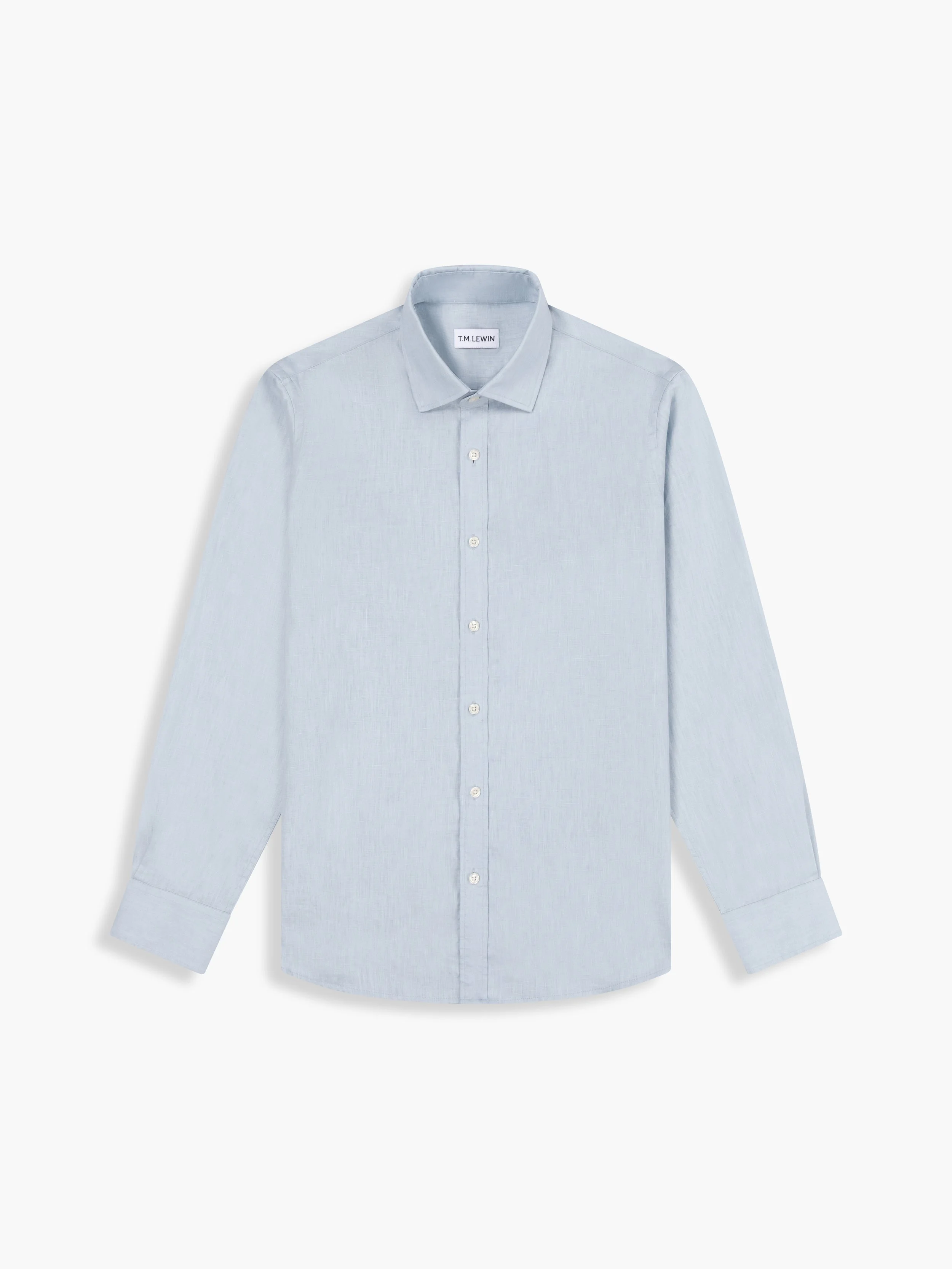
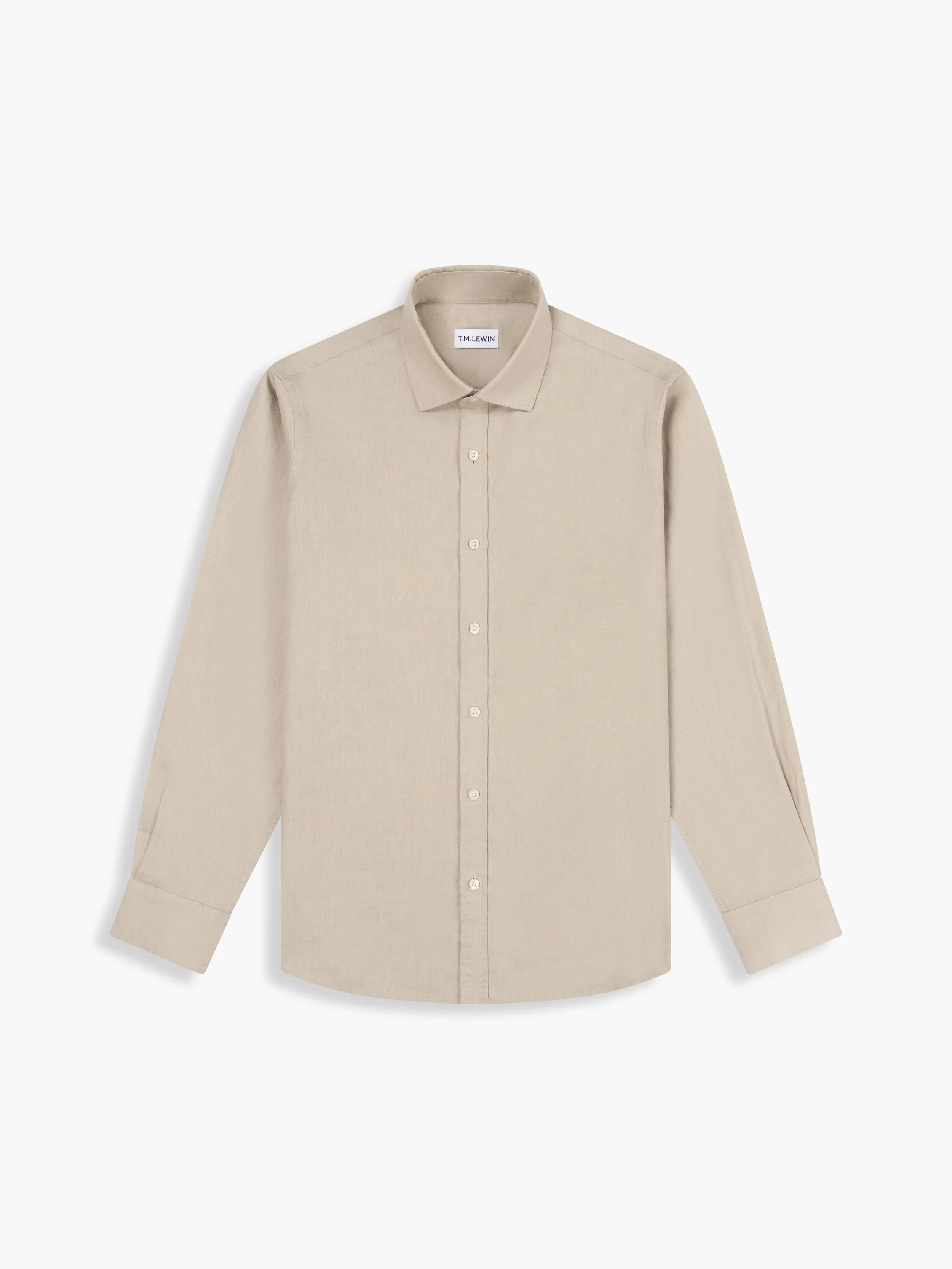
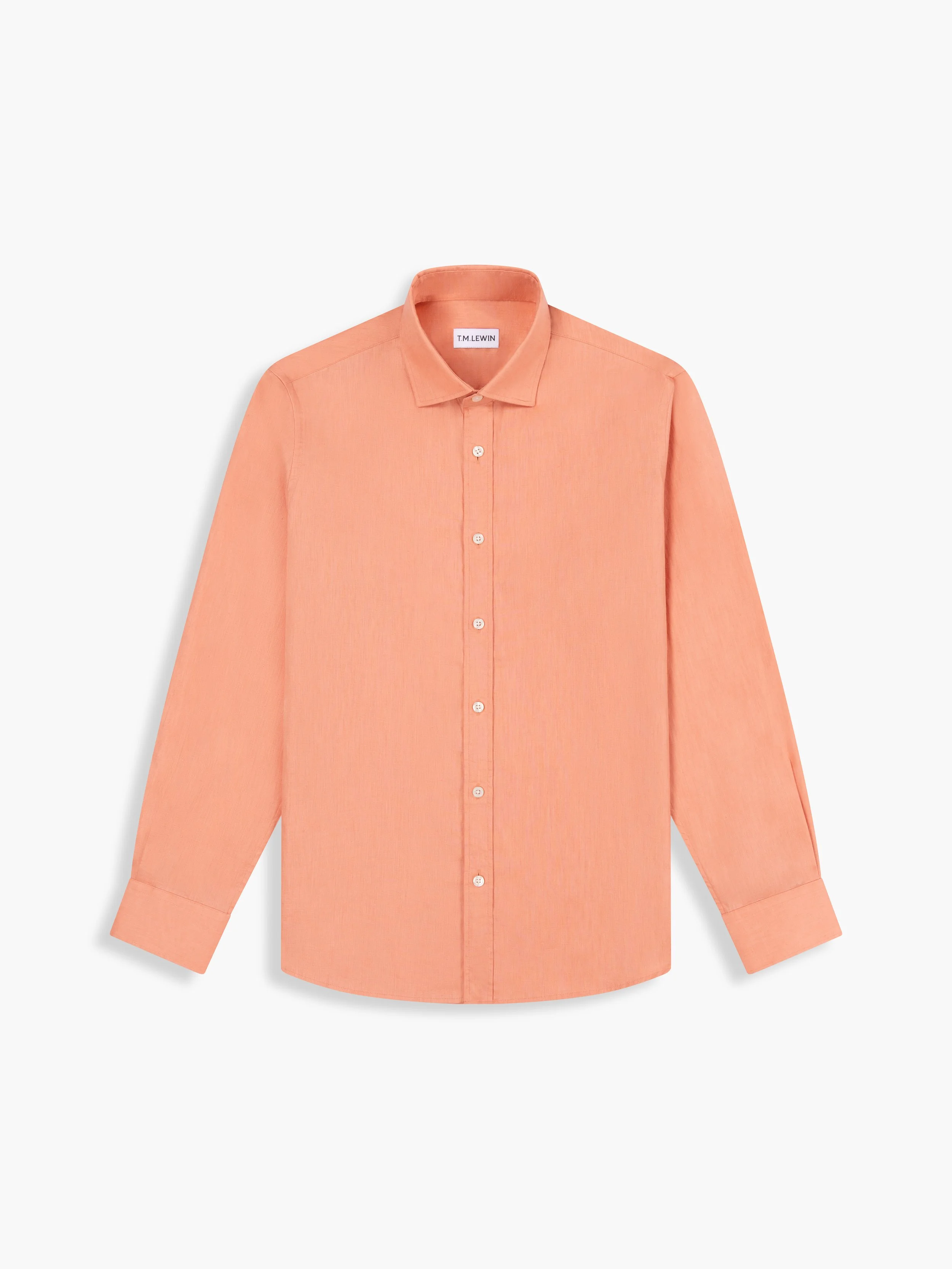
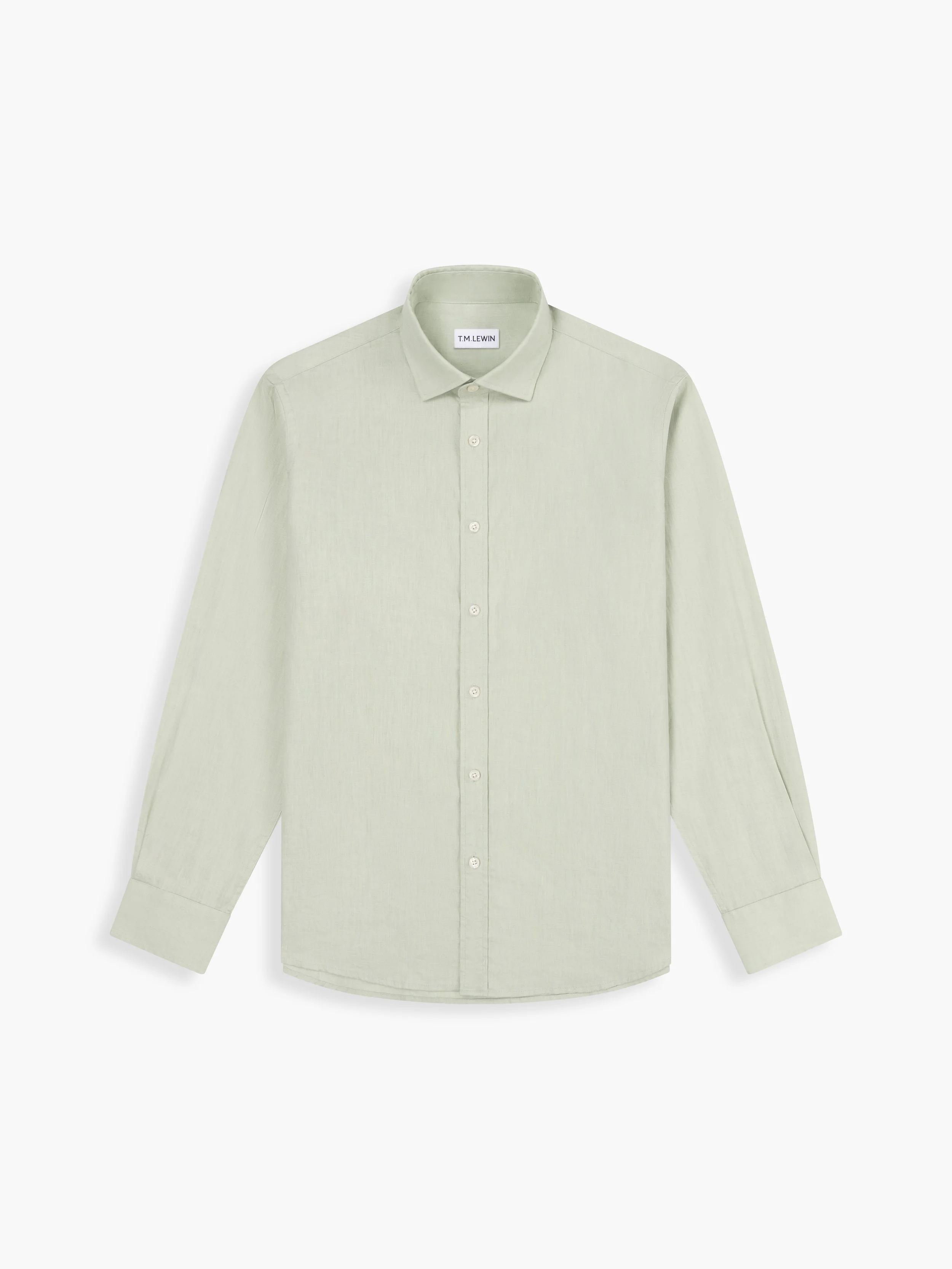
Shirt product photography for TM Lewin © 2026 Packshot Bureau
Before any batch shoot begins, we run a short calibration step:
Test frames are captured
Compared directly against reference images
Adjustments made until alignment is achieved
Only then does full shooting begin.
This avoids situations where an entire batch is technically “good,” but doesn’t match the existing catalogue.
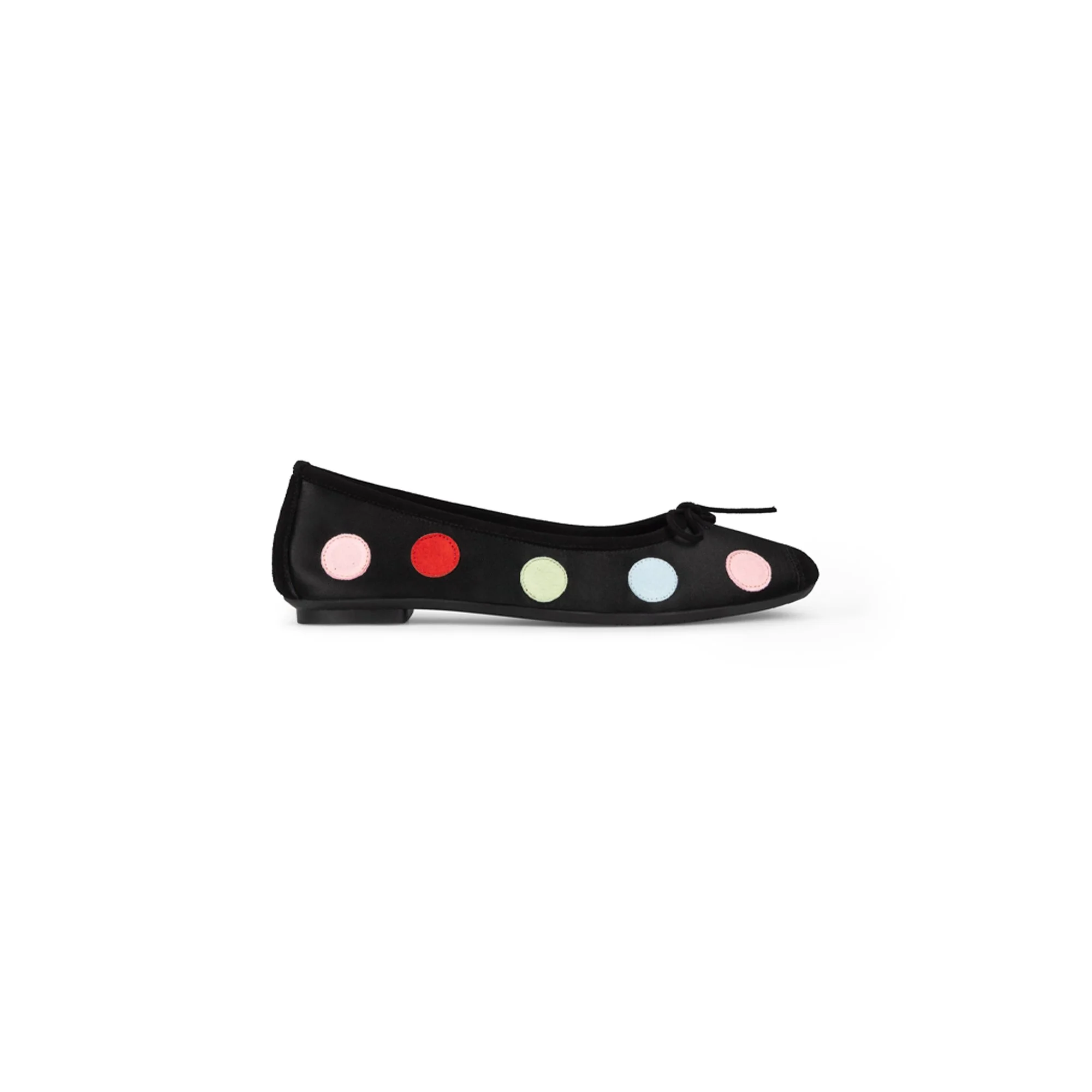
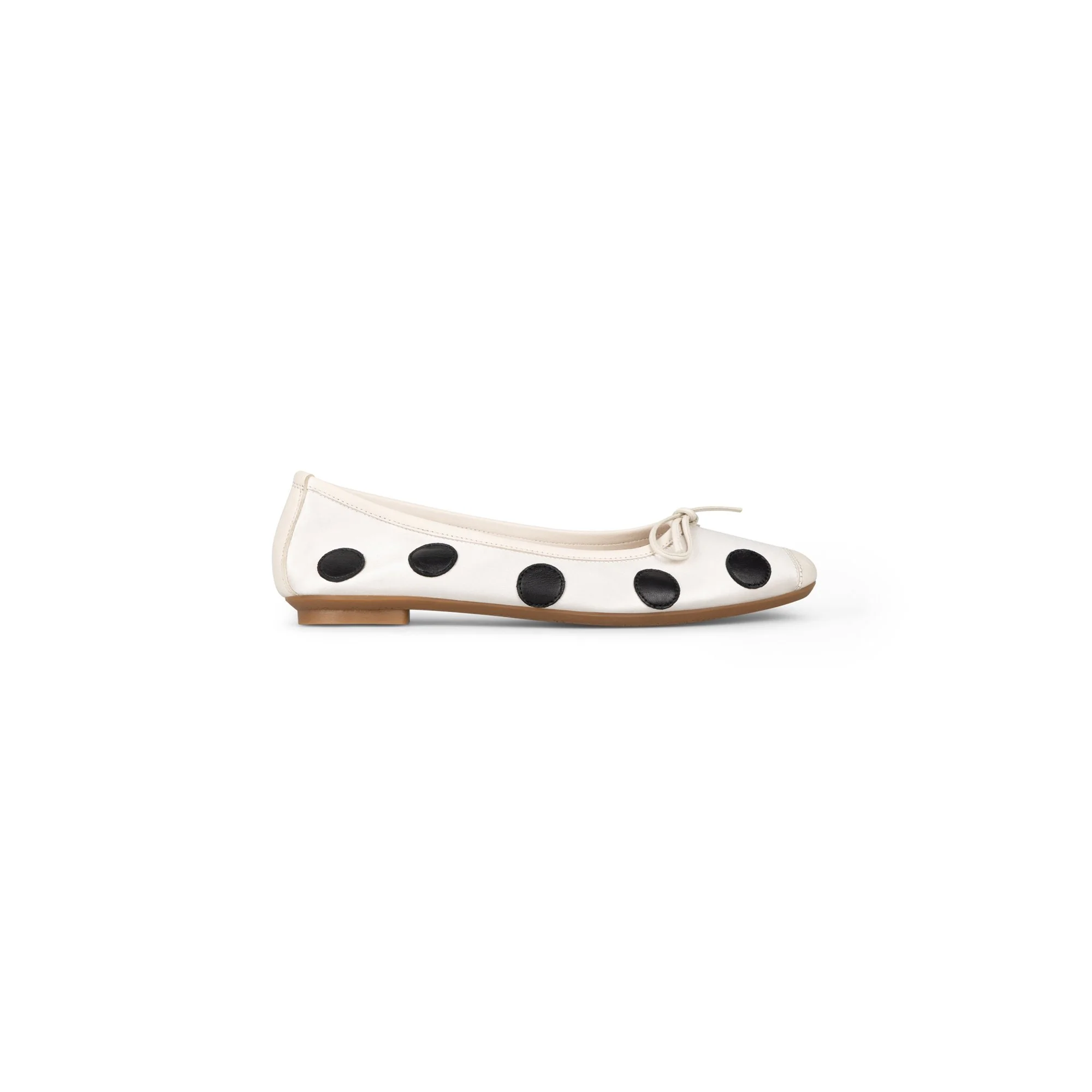
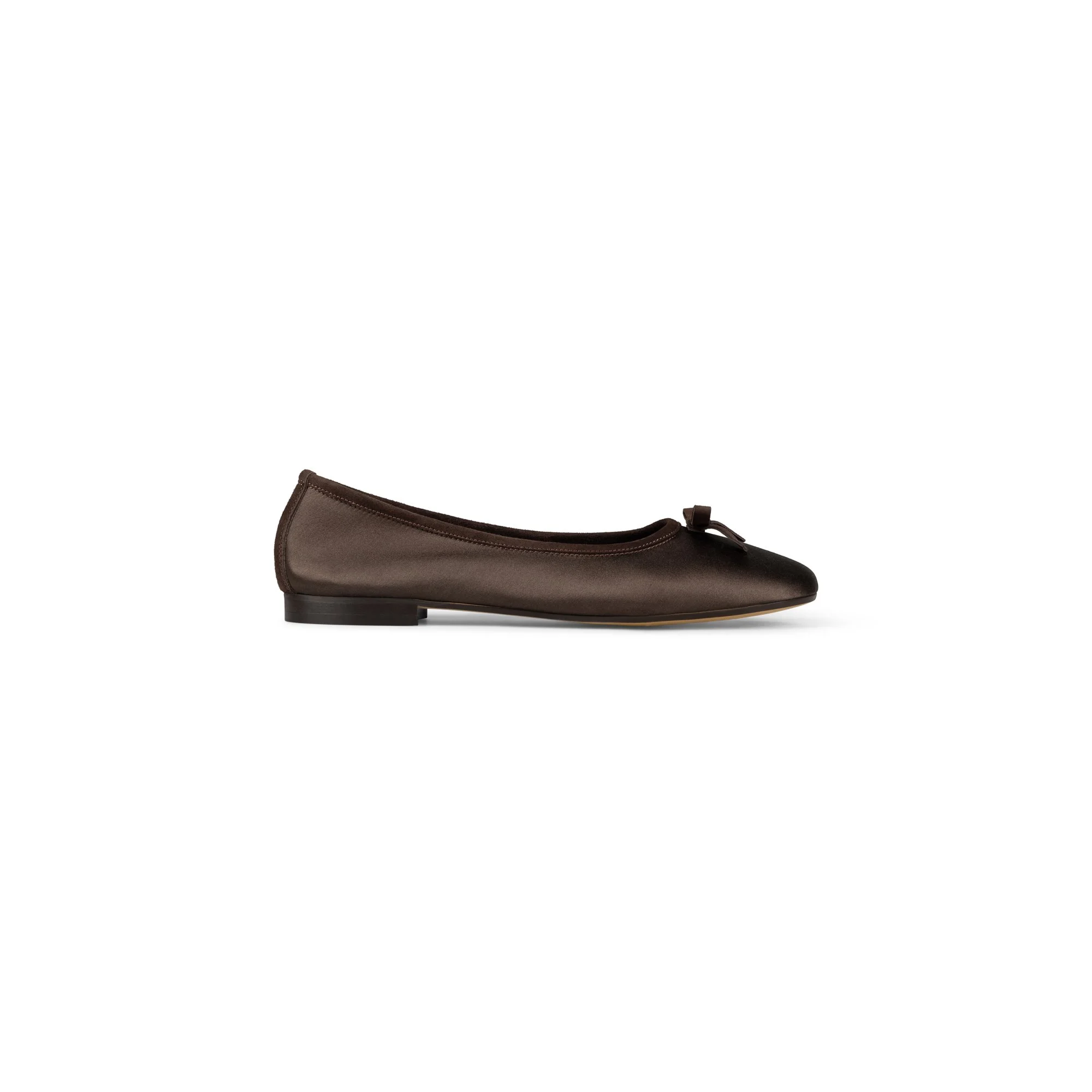
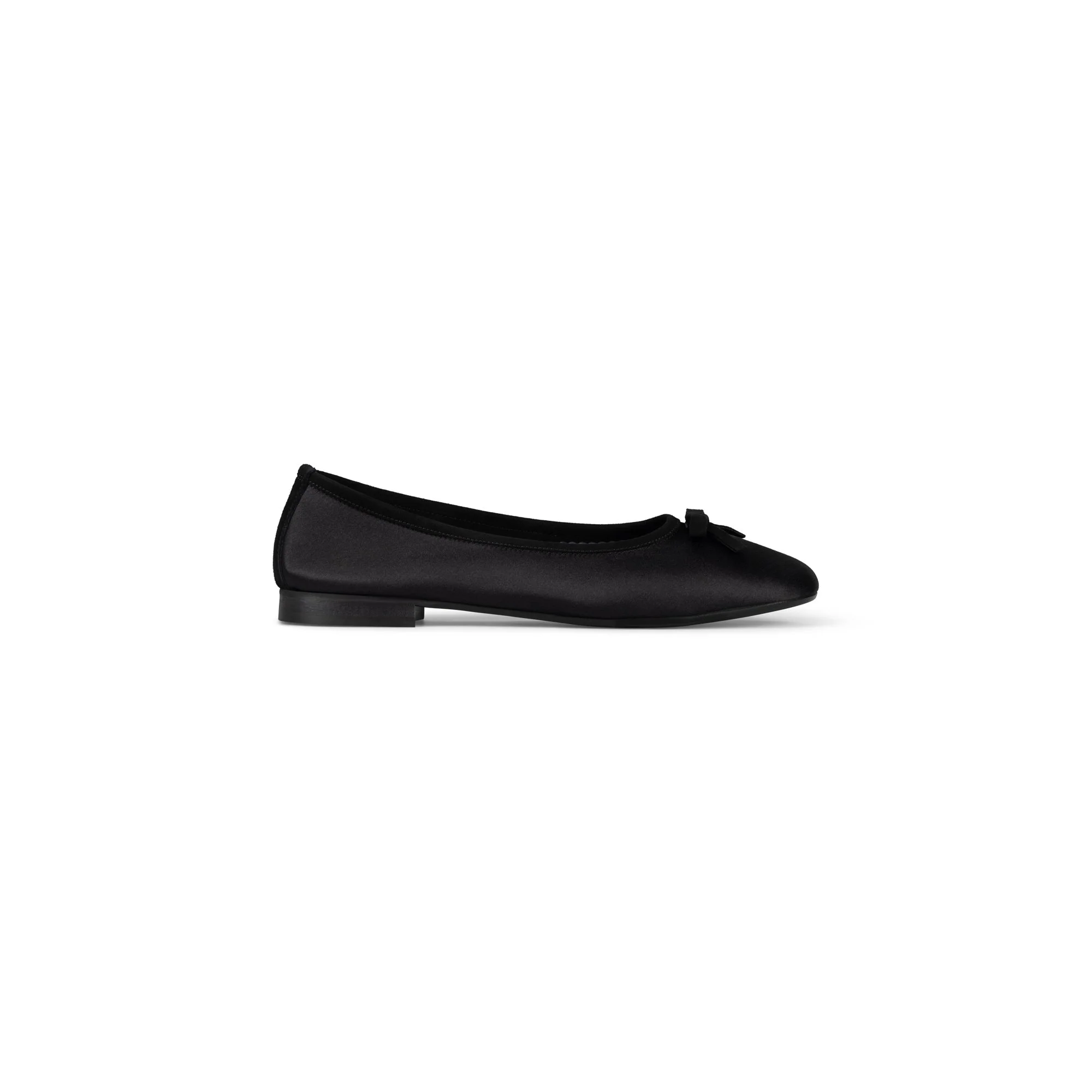
Footwear product photography for Hai © 2026 Packshot Bureau
None of this is particularly complicated on its own.
But together, these systems remove a lot of the subjectivity that normally creeps into repeat work.
Physical moulds remove positioning variation
Client profiles remove setup variation
Material banks remove interpretation in post
What’s left is a process that’s much more stable over time.
We design our process so that it holds – across time, across batches, and across teams.
If you’re looking to bring that level of precision and consistency into your own product imagery, we’d be happy to help.
Explore our SERVICES.
Back to JOURNAL.